 ericp512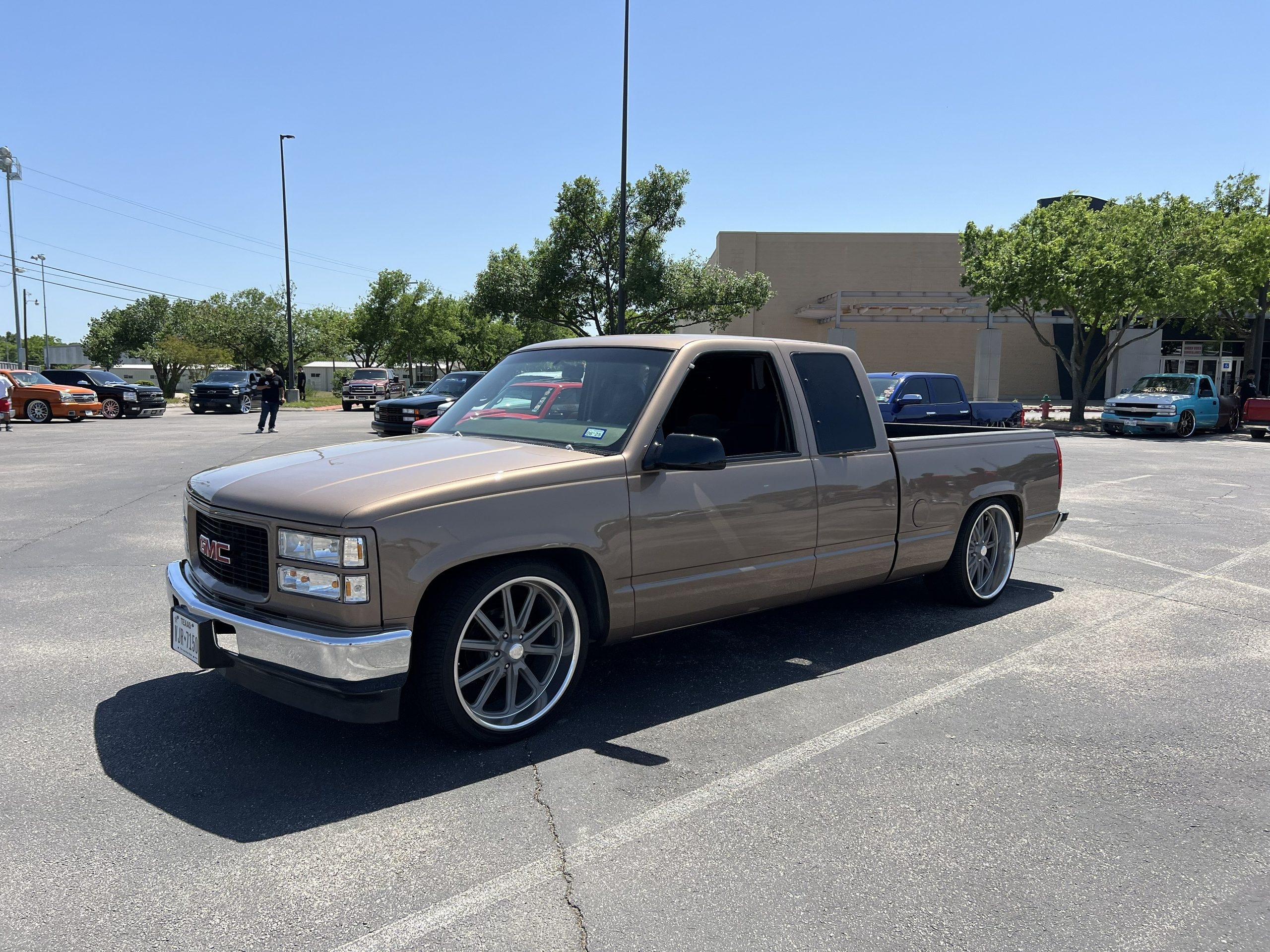
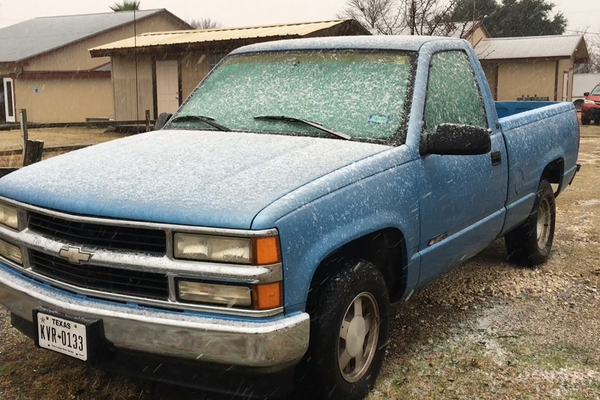
For years, trucks from the 1990s occupied an awkward place in the automotive world. They were too old to be considered modern, but not old enough to receive the same attention as classic pickups from the 1950s, 1960s and 1970s. A clean Chevrolet C1500 or GMC Sierra could still be found sitting in a driveway, hauling equipment to a jobsite or serving as someone’s dependable second vehicle. Nobody necessarily thought of these trucks as collectibles. They were simply old trucks.
That is changing quickly.
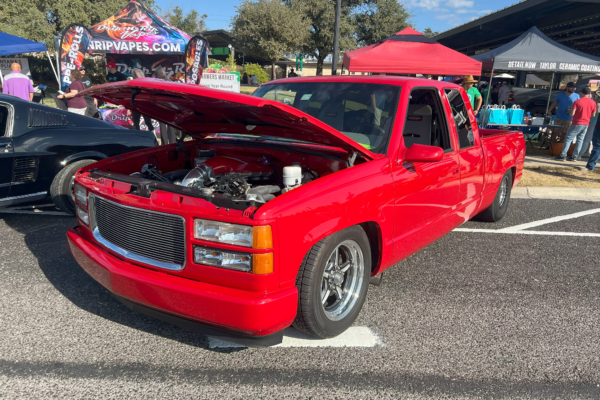
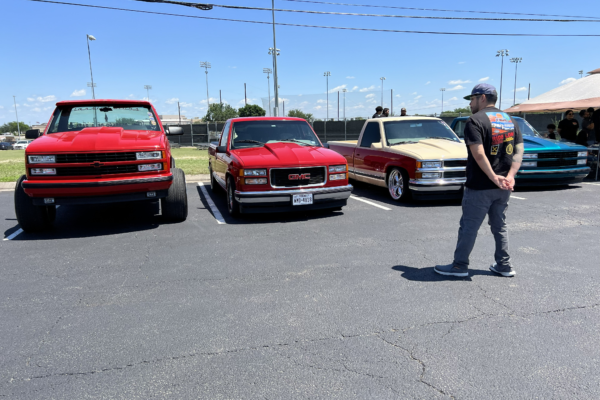
Across the truck world, 1990s pickups are becoming increasingly desirable. Chevrolet and GMC OBS trucks, Ford’s ninth-generation F-Series, Dodge Rams and other pickups from the decade are showing up at truck shows, restoration shops, social media pages and weekend meets. Trucks that were once modified without much concern for originality are increasingly being preserved, restored or transformed into carefully planned restomods.
For many enthusiasts, the 1990s have officially become nostalgic.
The 1990s Are Now More Than 25 Years Ago
One of the simplest explanations is time.
A 1995 Chevrolet Silverado is now more than 30 years old. Even a 1998 GMT400 is approaching three decades on the road. The trucks that once filled high school parking lots, construction sites and suburban driveways are becoming genuine vintage vehicles.
That changes how people look at them.
Someone who was 10 years old when a new Silverado rolled into the family driveway in 1994 is now in their 40s. Someone who drove a C1500 in high school may now have enough disposable income to buy another one, except this time they can build it exactly how they wanted when they were younger.
Automotive nostalgia frequently follows this cycle. The cars and trucks people grew up around eventually become the vehicles they want to own again.
The 1990s have reached that point.
OBS Chevy Trucks Have the Right Look
The GMT400 platform has benefited tremendously from this shift.
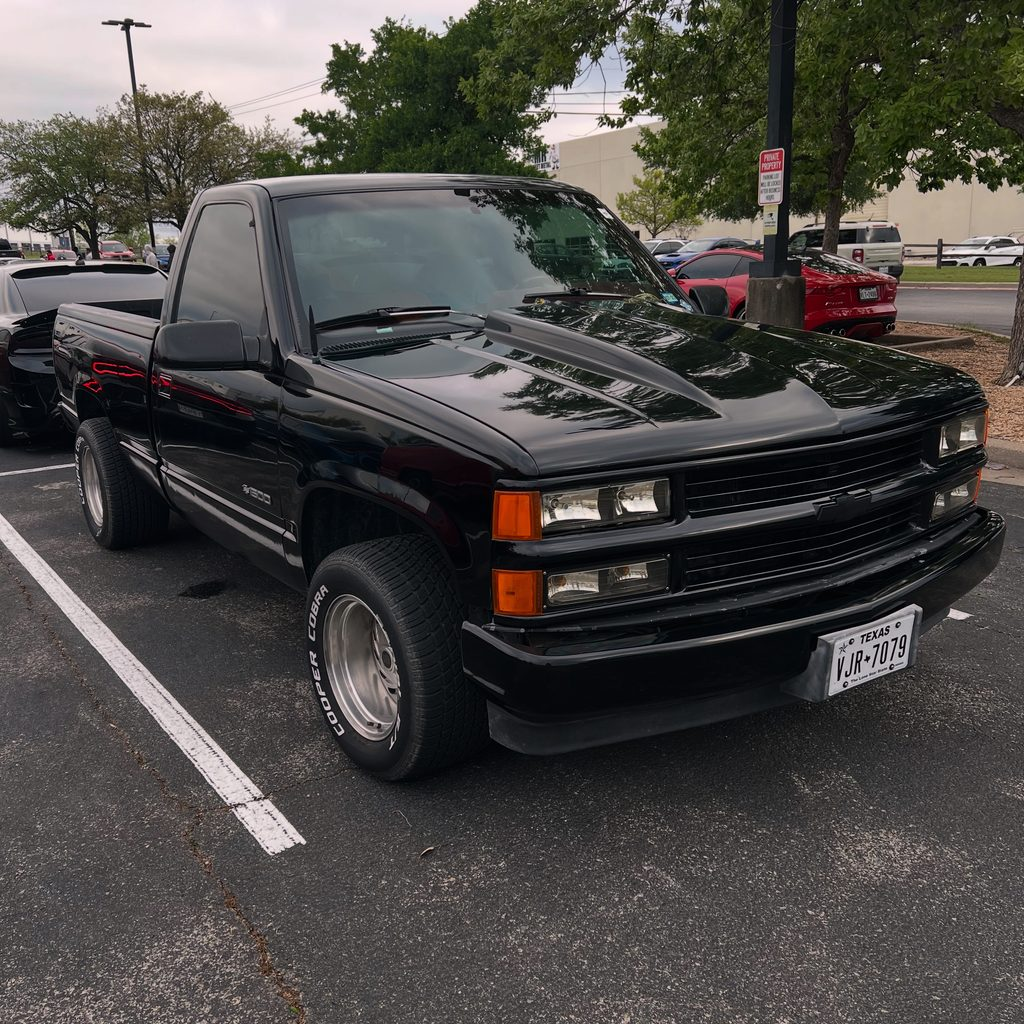
Produced beginning with the 1988 model year, the Chevrolet and GMC GMT400 trucks introduced a much more modern appearance than the square-body trucks they replaced. Yet compared with today’s pickups, the GMT400 still looks remarkably simple.
The body is clean. The beltline is low. The hood isn’t six feet off the ground. The grille isn’t trying to dominate the entire front of the truck.
There is a simplicity to the design that has aged extremely well.
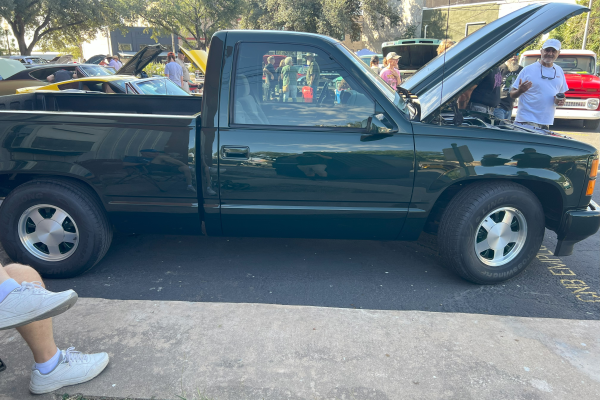
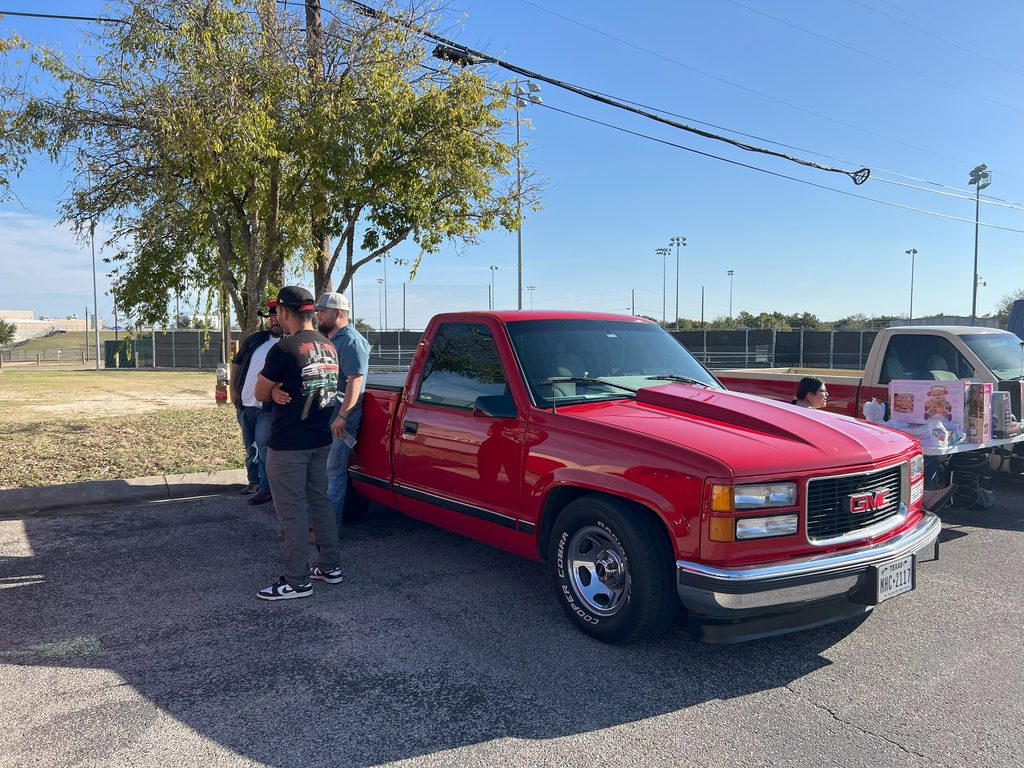
Regular cab short-bed trucks especially have proportions that are difficult to replicate with modern pickups. Lower one slightly, install the right wheels and suddenly a basic work truck can have an entirely different personality.
At the same time, a completely stock OBS can look just as good.
That versatility is one of the reasons the platform has become so popular. An OBS can become a street truck, cruiser, off-road build, restoration, work truck or show truck without looking completely out of place in any of those categories.
They Come From a Different Era of Pickup Trucks
Modern pickups have changed dramatically.
Today’s trucks can offer enormous touchscreens, multiple cameras, advanced driver assistance systems, turbocharged engines, digital instrument clusters, luxury interiors and technology that would have sounded like science fiction when a GMT400 was new.
Those features have advantages.
But they have also helped create renewed appreciation for simpler trucks.
A 1990s pickup generally feels mechanical in a way many newer vehicles do not. The steering, suspension, throttle response, seating position and controls constantly remind you that you are driving a truck.
There aren’t dozens of menus to navigate just to interact with the vehicle.
For some owners, that simplicity is becoming part of the attraction.
An OBS Chevrolet doesn’t need to pretend to be a luxury SUV. It can simply be a pickup.
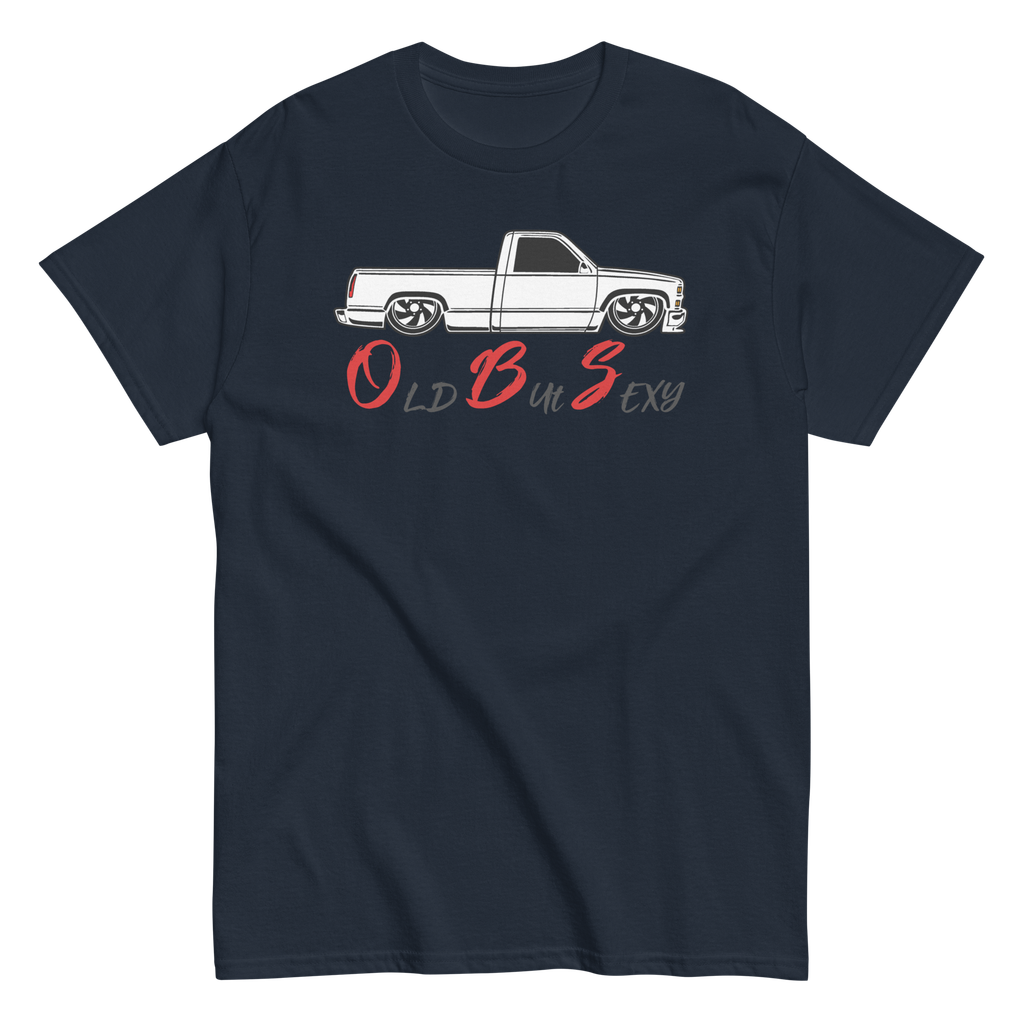
They’re Still Usable
One major advantage 1990s trucks have over much older classics is usability.
A beautifully restored 1960s pickup can be incredible, but using one as regular transportation can require compromises. Depending on the truck, you may be dealing with older braking systems, carburetors, limited safety equipment, primitive climate control and highway gearing designed for another era.
A 1990s truck sits in an interesting middle ground.
It can feel old enough to provide a classic-truck experience while still offering many features people expect in a vehicle they actually drive.
Air conditioning, power steering, power brakes, fuel injection, automatic transmissions, cruise control, power windows and other conveniences were readily available.
That makes a GMT400 surprisingly practical.
You can take one to a weekend truck meet, drive it to work Monday morning and stop at the hardware store on the way home.
That’s difficult to ignore.
The Trucks Are Relatively Easy to Work On
Another major part of their appeal is mechanical accessibility.
Open the hood of many modern vehicles and you’ll find an extremely complicated combination of electronics, sensors, modules, plastic covers and tightly packaged components.
A 1990s pickup can seem refreshingly straightforward by comparison.
That doesn’t mean every repair is easy, and these trucks certainly have their own electrical and mechanical problems. But owners can still perform an enormous amount of maintenance and repair work themselves.
Parts availability also remains one of the strongest advantages of owning a popular American pickup platform.
Replacement components, restoration parts and aftermarket upgrades are widely available for GMT400 trucks. Owners can repair interiors, replace worn suspension components, upgrade brakes, rebuild engines or completely transform a truck without having to fabricate every missing piece.
That accessibility encourages people to build them.
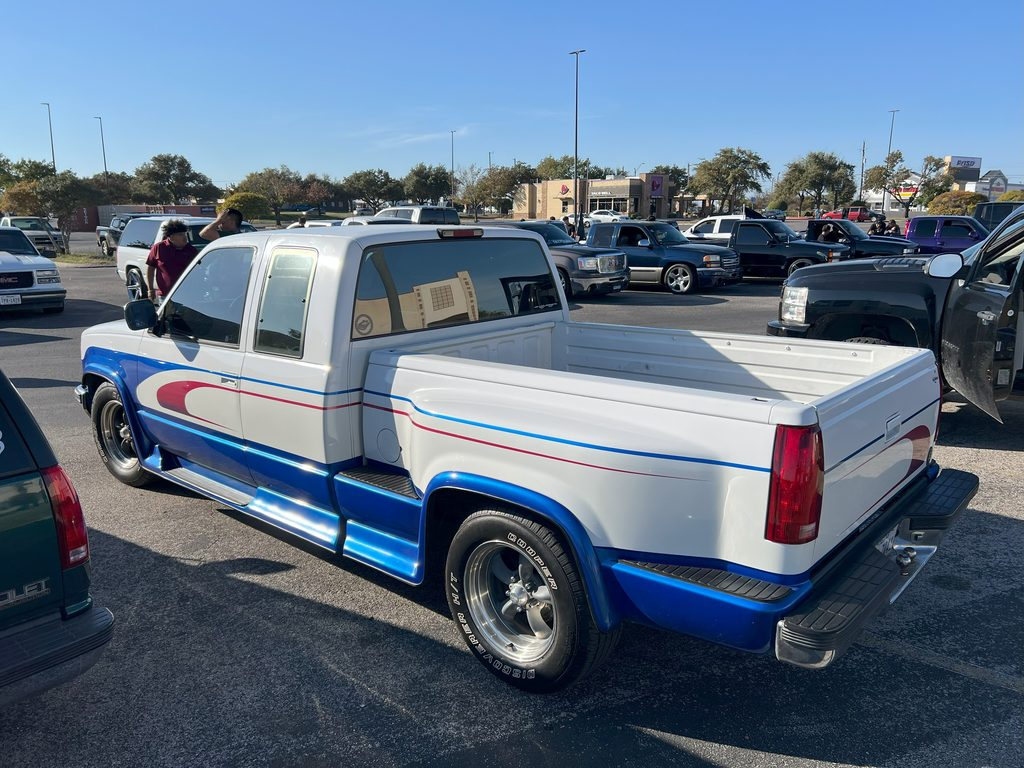
The Aftermarket Has Exploded
The aftermarket has also helped push OBS trucks into the spotlight.
There was a time when restoring one required searching salvage yards for increasingly worn original components. Today, companies offer reproduction interior pieces, lighting, suspension systems, brakes, wheels, gauges, electronics and countless other parts specifically for these trucks.
Want a nearly factory-original restoration?
You can do that.
Want a lowered street truck on modern wheels?
Easy.
Want an LS-powered restomod with upgraded brakes, digital gauges and modern air conditioning?
There’s an entire industry waiting for you.
The ability to personalize these trucks has made them attractive to younger enthusiasts as well as people who remember them when they were new.
Social Media Changed the OBS Community
The internet has played an enormous role in the revival.
Twenty years ago, enthusiasts were largely divided among local clubs, message boards and regional truck shows. Today an OBS owner in Texas can instantly see a build from California, Florida, Canada or halfway around the world.
YouTube, Instagram, Facebook, TikTok and enthusiast websites have allowed these trucks to develop communities that simply weren’t possible when they were new.
A forgotten C1500 sitting behind someone’s garage can now become the starting point for an entire restoration series.
Truck owners can document builds, compare parts, share problems, attend meets and find inspiration almost instantly.
That visibility creates more visibility.
The more people see clean OBS trucks, the more people remember how much they liked them.
Clean Original Trucks Are Disappearing
There is another reason enthusiasts are paying attention.
Good trucks are getting harder to find.
These vehicles were designed to work, and many of them did exactly that. They hauled trailers, carried construction materials, accumulated hundreds of thousands of miles and spent decades sitting outside.
Others were modified heavily.
Suspensions were cut. Interiors were changed. Engines were swapped. Beds were damaged. Wiring harnesses were modified. Factory wheels disappeared. Paint faded.
None of that mattered much when these were inexpensive used trucks.
Now it matters.
A clean, largely original truck represents something increasingly difficult to replace. Once enough examples disappear, people begin appreciating the survivors.
That is exactly what has happened with previous generations of classic trucks.
The Square Body Effect
OBS trucks may also be benefiting from what happened to the generation before them.
Chevrolet square-body trucks were once simply old pickups.
Then enthusiasts started restoring them.
Demand increased. Clean examples became harder to find. Prices climbed. Eventually the square body became firmly established as a collectible American truck.
That left buyers asking an obvious question.
What’s next?
For Chevrolet enthusiasts, the GMT400 is the natural answer.
The OBS generation followed the square body, maintained the traditional American pickup formula and introduced the styling many younger enthusiasts remember from childhood.
As earlier trucks become more expensive, buyers naturally begin looking toward the next generation.
The GMT400 is standing directly in that path.
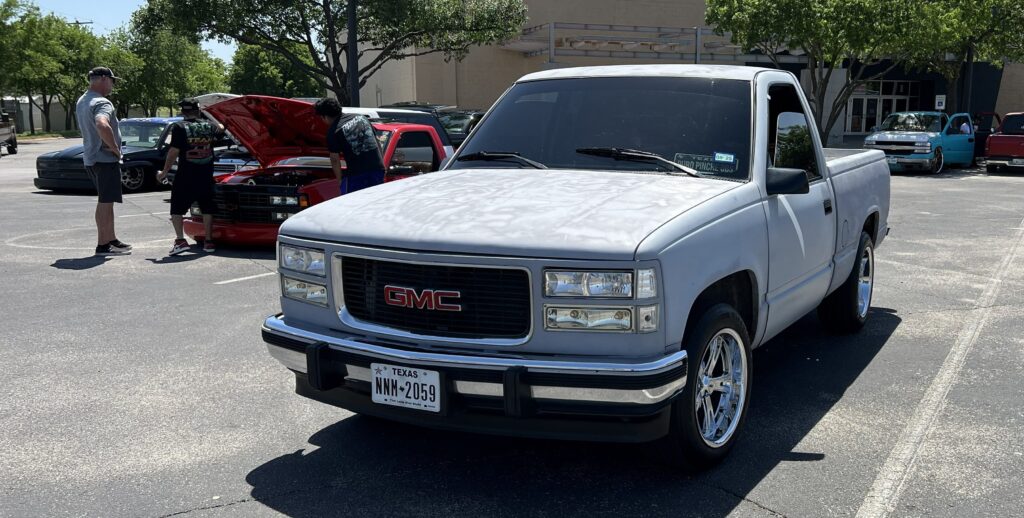
Regular Cab Short Beds Have Become Especially Popular
Few configurations demonstrate the change better than the regular cab short bed.
These trucks were once incredibly common.
Today, enthusiasts actively search for them.
The short wheelbase gives the truck proportions that work particularly well for performance builds and lowered street trucks. They are also visually closer to classic two-door pickups than today’s increasingly large crew-cab trucks.
A clean short bed with the right stance doesn’t need much else.
That demand has made previously ordinary trucks much more interesting.
A basic C1500 that might once have been viewed simply as an old work truck can now become the foundation for a desirable build.
Two-Tone Paint Is Cool Again
Some of the most distinctly 1990s styling choices are returning as well.
Two-tone paint, period-correct wheels, factory graphics and original interiors once looked dated to people trying to modernize their trucks.
Now those details can be exactly what enthusiasts want.
A factory two-tone truck immediately identifies itself with its era.
Instead of trying to disguise the fact that the truck came from the 1990s, owners are increasingly celebrating it.
That shift is important.
It means these vehicles are beginning to develop a recognized identity as classics rather than simply inexpensive platforms for modification.
Nostalgia Is Powerful
Ultimately, the biggest reason 1990s trucks are becoming cool again may have very little to do with horsepower, specifications or investment potential.
They remind people of something.
Maybe your dad had one.
Maybe your grandfather drove one.
Maybe there was one sitting in the driveway when you were a kid.
Maybe you remember riding in the center seat, listening to the radio while the distinctive GM interior rattled down the road.
Maybe it was your first truck.
Vehicles become more than transportation because they attach themselves to memories.
As a generation gets older, those memories become increasingly valuable.
A 1997 C1500 isn’t simply a 30-year-old Chevrolet anymore. For the right person, it can represent an entire period of their life.
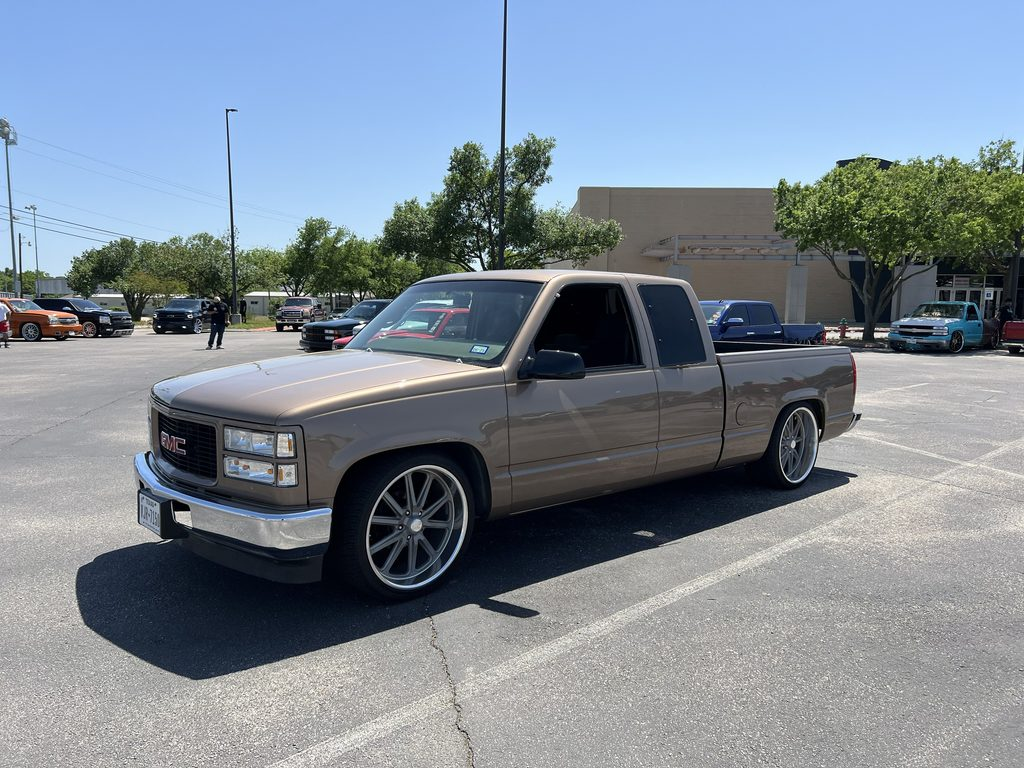
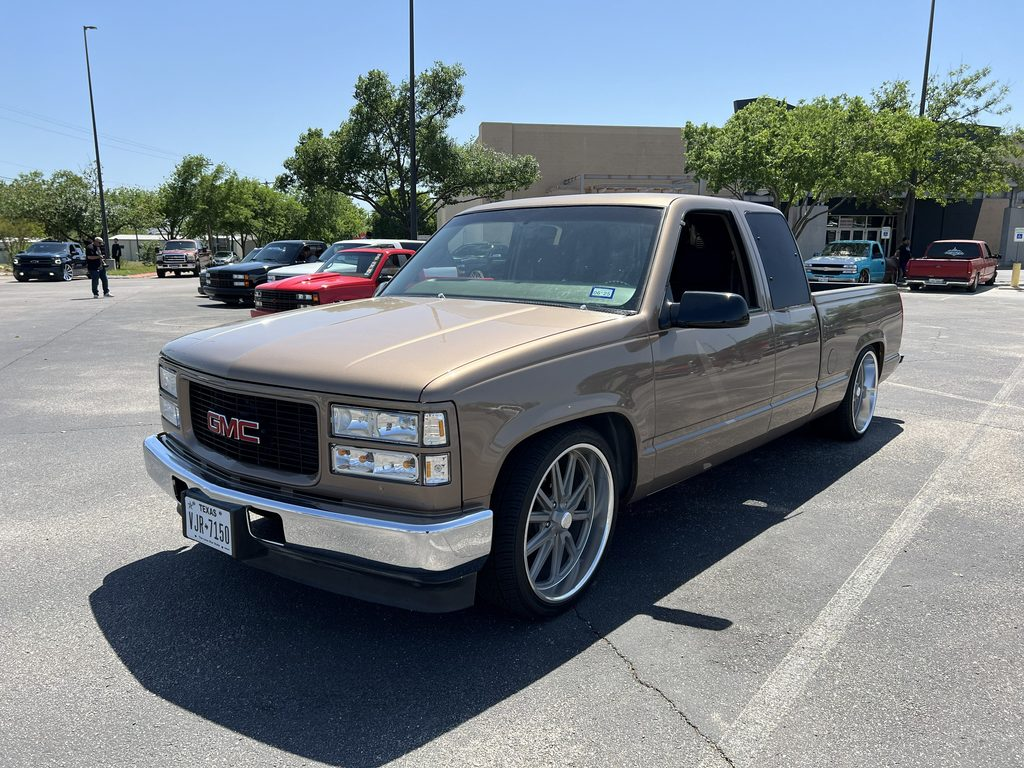
Are 1990s Trucks the Next Major Collectibles?
Not every 1990s pickup is going to become valuable simply because it survived.
Condition, configuration, originality, mileage, options, drivetrain and overall desirability will continue to matter.
But the larger trend is difficult to ignore.
The best trucks are being preserved. Restoration parts are becoming more available. Enthusiast communities are growing. Younger owners are discovering the platform, while older enthusiasts are buying the trucks they remember.
The transformation from used vehicle to collectible doesn’t happen overnight.
It happens gradually, often while most people aren’t paying attention.
Then one day everyone starts saying the same thing:
“I remember when you could buy those cheap.”
For 1990s trucks, that transition may already be underway.
The OBS Era Has Arrived
The 1990s no longer feel like the recent past.
The vehicles from that decade are old enough to qualify as classics, and the pickups may be some of the most interesting survivors.
They combine old-school simplicity with enough modern convenience to remain genuinely usable. They can be restored, modified, daily driven, shown or simply enjoyed.
Most importantly, they represent an era of trucks that isn’t coming back.
That may be exactly why people want them now.
For OBS enthusiasts, the secret has been out for a while.
The rest of the automotive world is simply catching up.