 ericp512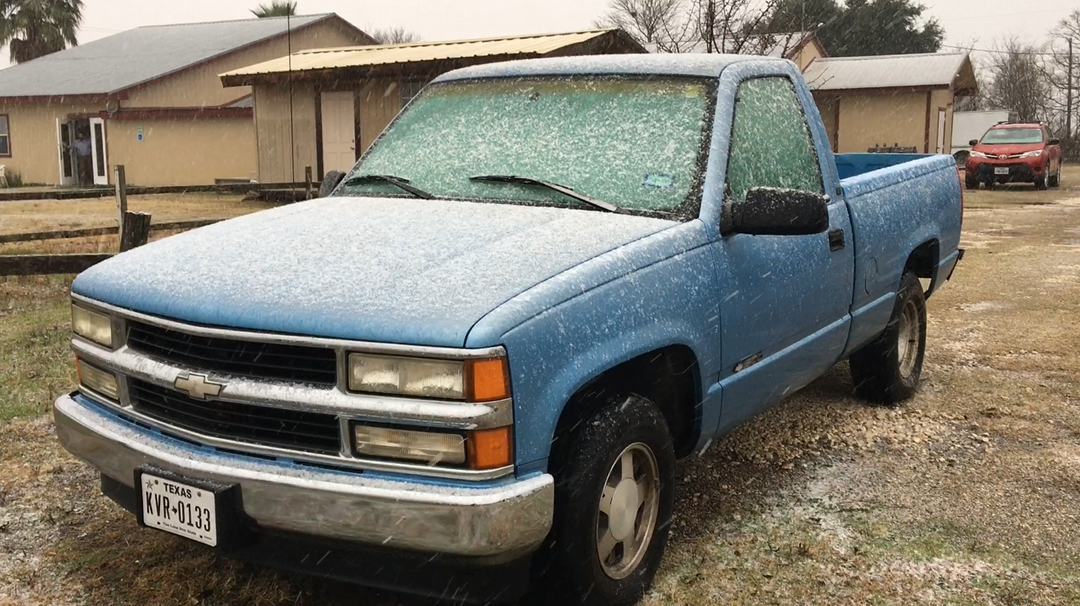
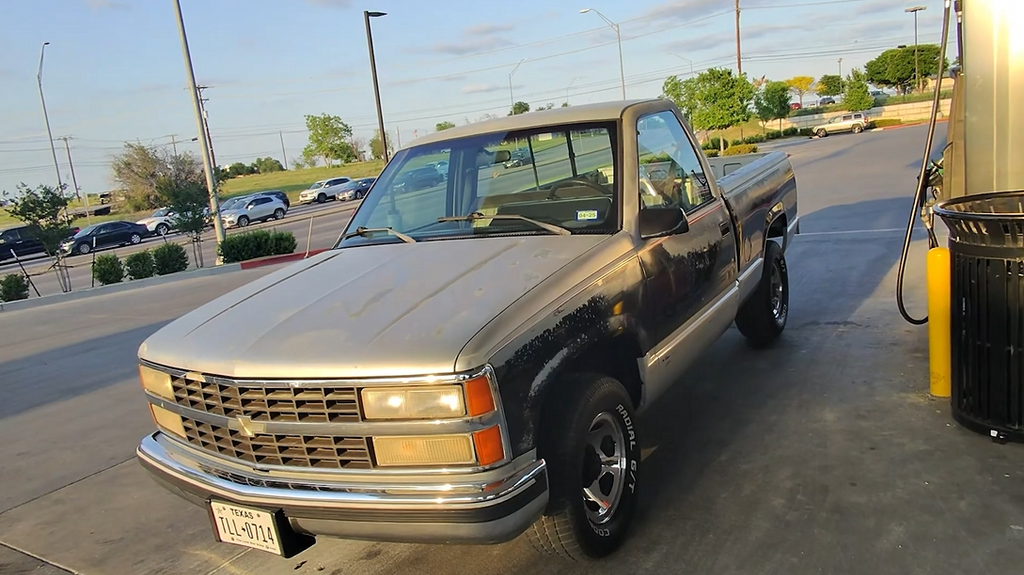
There was a time when Chevrolet and GMC OBS trucks were simply transportation. They hauled trailers, carried tools, made grocery runs, took kids to school, and accumulated hundreds of thousands of miles without anyone thinking they would eventually become collectible vehicles. Today, the 1988–1998 Chevrolet and GMC C/K trucks, along with related Tahoe, Suburban, and Yukon models, occupy a very different place in truck culture. Clean examples are increasingly preserved, restored, customized, and treated as classics.
That creates an interesting question for anyone who actually owns one: Can you still daily drive an OBS truck?
Absolutely. In fact, a properly maintained OBS can still make an excellent daily driver. But owning a roughly 30-year-old truck every day is different from driving a modern Silverado off the dealership lot. The simplicity that makes these trucks appealing also comes with compromises, and deciding whether an OBS belongs in your daily routine depends heavily on the condition of the truck and what you expect from it.
Why OBS Trucks Still Work as Daily Drivers
One of the greatest advantages of an OBS Chevy or GMC is simplicity.
These trucks were built during an era when electronic systems were becoming sophisticated enough to improve drivability without completely taking over the vehicle. Depending on the year and engine, an OBS may have electronic fuel injection, electronic ignition, air conditioning, power windows, cruise control, and other conveniences while still remaining relatively straightforward to diagnose and repair.
Pop the hood of a typical OBS and there is still room to work.
That matters when the truck is your daily transportation.
Instead of requiring specialized equipment for virtually every repair, many common OBS problems can still be handled in a driveway with ordinary hand tools and some mechanical knowledge. Alternators, starters, water pumps, belts, hoses, sensors, ignition components, brakes, and suspension parts are generally accessible.
For owners who enjoy working on their own vehicles, that can dramatically change the economics of daily driving an older truck.
Parts Availability Is a Huge Advantage
Daily driving a classic becomes considerably more difficult when basic replacement parts are rare. Fortunately, OBS owners usually don’t have that problem.
GM produced enormous numbers of GMT400 trucks, and the platform remained on the road for decades. The aftermarket continues to support them with mechanical, restoration, suspension, interior, lighting, and performance components.
Walk into a typical auto parts store and there is a good chance basic maintenance parts for a 1990s C1500 are either sitting on the shelf or available quickly.
That separates an OBS from many other vehicles of the same age.
You aren’t necessarily maintaining some obscure 1990s automobile with discontinued components and almost no aftermarket. You’re maintaining one of the most popular generations of American pickup ever produced.
As these trucks become collectible, restoration support has expanded as well. Items that once required searching junkyards are increasingly being reproduced.
The Engines Were Built to Work
The engine lineup is another reason these trucks remain viable.
The familiar 4.3-liter V6, 5.0-liter V8, 5.7-liter V8, and 7.4-liter big-block all have established histories and enormous amounts of repair information available. Later Vortec-equipped trucks added improved performance while retaining much of the basic mechanical character owners appreciate.
None of these engines needs to produce modern horsepower numbers to make a good street truck.
For everyday use, reliability is far more important.
A relatively stock C1500 with a healthy engine, properly functioning cooling system, good transmission, and maintained ignition and fuel systems can still comfortably handle commuting, errands, and highway driving.
The bigger issue isn’t necessarily the engine design.
It’s age.
Mileage Isn’t the Whole Story
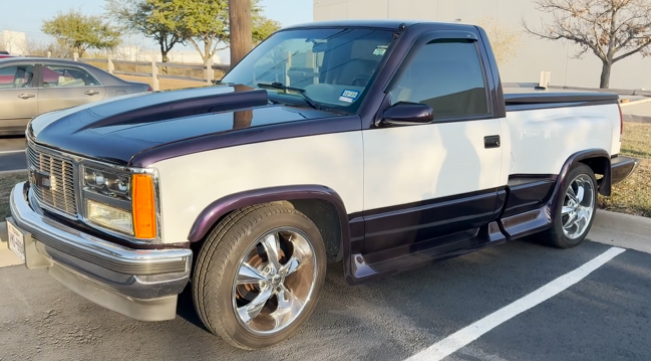
A 1997 Silverado with 180,000 miles can potentially be a better daily driver than a neglected truck showing 90,000.
At this point, condition matters more than the odometer.
Rubber deteriorates. Seals harden. Plastic becomes brittle. Electrical connections corrode. Bushings wear out. Grounds become questionable. Previous owners install questionable wiring. Cooling systems accumulate neglected components. Thirty years of repairs can sometimes create more problems than thirty years of driving.
That means the best OBS daily driver isn’t necessarily the lowest-mileage truck you can find.
It’s the one that has been maintained correctly.
A truck with documented maintenance, a healthy drivetrain, clean wiring, refreshed suspension, good brakes, a properly functioning cooling system, and quality tires is generally a much better starting point than an untouched survivor that has spent years sitting.
Sitting isn’t maintenance.
Reliability Requires Preventive Maintenance
If you’re going to depend on an OBS every morning, waiting for parts to fail isn’t a particularly good strategy.
The first few months after buying an older truck should usually be treated as a baseline period. Unless there is documentation proving otherwise, inspect or service the fluids, belts, hoses, brakes, cooling system, ignition components, battery and charging system, steering components, suspension, tires, fuel system, and transmission.
Pay particular attention to the cooling system.
An inexpensive hose, aging radiator, weak water pump, thermostat, or neglected coolant can turn a normal commute into an overheated engine. Replacing questionable components before they fail is considerably cheaper than dealing with the consequences afterward.
The same philosophy applies to electrical problems.
Clean battery terminals and grounds don’t make exciting modifications, but reliable electrical connections can eliminate a surprising number of strange issues on an older truck.
Before spending thousands on wheels, paint, suspension, or stereo equipment, make the truck dependable.
Fuel Economy Is the Obvious Compromise
Nobody bought a full-size 1990s Chevrolet because it was an economy car.
Fuel consumption is one of the biggest disadvantages of daily driving an OBS, particularly if your commute involves significant mileage. Engine choice, gearing, tire diameter, transmission, vehicle weight, modifications, driving habits, and mechanical condition can all substantially affect mileage.
A two-wheel-drive regular-cab C1500 with a smaller engine is obviously going to have different fuel requirements than a lifted K2500 Suburban or a 454-powered truck.
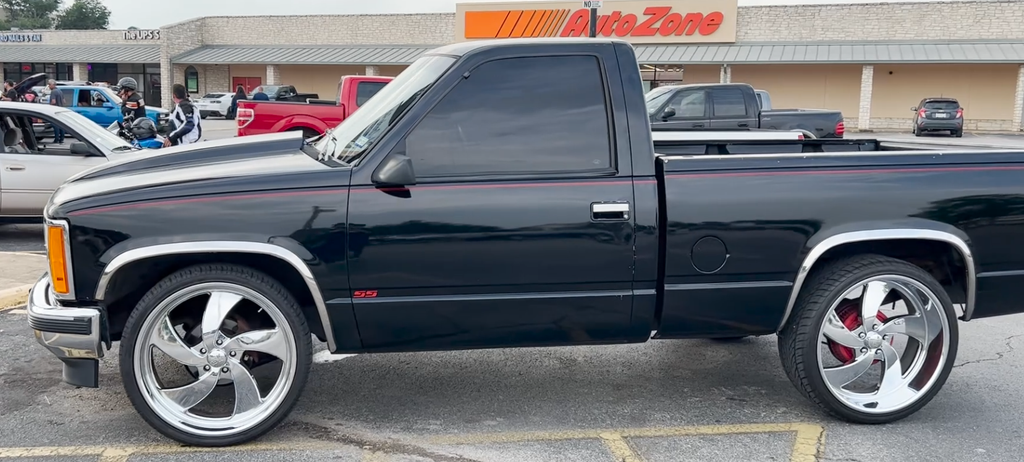
Large wheels and tires can make the situation worse.
Owners building a daily driver should keep that in mind before dramatically changing tire diameter or gearing. The modification that looks great parked at a show may become considerably less appealing after months of filling the tank.
For a truck that will actually accumulate miles, build around how it drives rather than how it photographs.
The Ride Can Be Surprisingly Good
A properly sorted OBS can still be an extremely comfortable truck.
The independent front suspension used on two-wheel-drive models gives them particularly pleasant street manners, and the long wheelbase and traditional truck seating can make highway cruising comfortable.
Worn suspension components, however, can completely change that experience.
Thirty-year-old shocks, bushings, ball joints, tie rods, idler arms, pitman arms, steering boxes, body mounts, and other components can create wandering, vibration, excessive play, noises, and generally sloppy handling.
Owners sometimes accept those characteristics because they assume, “It’s an old truck.”
It doesn’t necessarily have to drive that way.
Refreshing worn steering and suspension components can transform an OBS. A truck that previously wandered across the highway can suddenly feel tight and predictable again.
Before blaming the platform, repair the worn-out parts.
Air Conditioning Changes Everything
If you live somewhere with serious summer heat, functioning air conditioning isn’t a luxury in a daily-driven OBS.
It’s practically mandatory.
Fortunately, these trucks can have effective A/C when everything is operating correctly. A neglected system may need considerably more than simply adding refrigerant, however. Compressors, condensers, evaporators, hoses, seals, blend doors, blower components, and controls all age.
Fixing the HVAC system is one of those improvements that doesn’t generate much attention at a truck meet but makes an enormous difference when you drive the vehicle every day.
The same goes for weatherstripping.
Fresh door seals, window channels, and related components can reduce wind noise, water intrusion, rattles, and heat entering the cab. Small restoration projects can make an old truck feel dramatically more civilized.
Modern Technology Without Ruining the Truck
Daily driving doesn’t mean your interior has to remain stuck in 1995.
One of the easiest ways to make an OBS more practical is adding carefully selected modern technology.
A quality head unit can provide Bluetooth, hands-free calling, navigation, and smartphone integration. Better speakers can improve audio without permanently altering the interior. USB charging can be incorporated discreetly. Backup cameras can also be added while keeping the exterior relatively stock.
The key is installation quality.
OBS trucks have survived decades only to encounter some truly terrifying aftermarket wiring. Twisted wires, household connectors, questionable grounds, overloaded circuits, and abandoned alarm systems can create reliability problems that have nothing to do with GM engineering.
If you’re adding electronics to a daily driver, wire them correctly.
Safety Is Where Age Becomes More Noticeable
This is one area where owners should be realistic.
An OBS truck does not provide the same crash protection or electronic driver-assistance technology as a modern pickup. Depending on the year and configuration, equipment such as airbags and ABS varies, while modern technologies such as stability control, automatic emergency braking, blind-spot monitoring, lane assistance, and sophisticated side-impact protection simply weren’t part of the original design.
You can improve the mechanical safety of an older truck by keeping the brakes, steering, suspension, tires, lighting, seat belts, and other systems in excellent condition.
You cannot turn a 1995 truck into a 2026 truck.
For some owners that tradeoff is acceptable. For others, particularly those facing long highway commutes or transporting family members every day, it may be an important consideration.
Should You Lower Your Daily Driver?
Absolutely, if that’s the truck you want.
A lowered OBS can still be an excellent daily driver when the suspension is engineered around usability rather than simply getting the frame as close to the pavement as possible.
Moderate drops can maintain good ride quality and suspension travel. Extreme static drops introduce additional considerations involving alignment, ground clearance, driveline angles, tire clearance, exhaust clearance, and suspension geometry.
Air suspension offers another approach because the truck can be raised when necessary, but it also introduces additional components that must be maintained.
There isn’t one correct setup.
The important part is remembering what the truck is supposed to do. If it’s your transportation five days a week, reliability and drivability should remain part of the build.
What About Big Wheels?
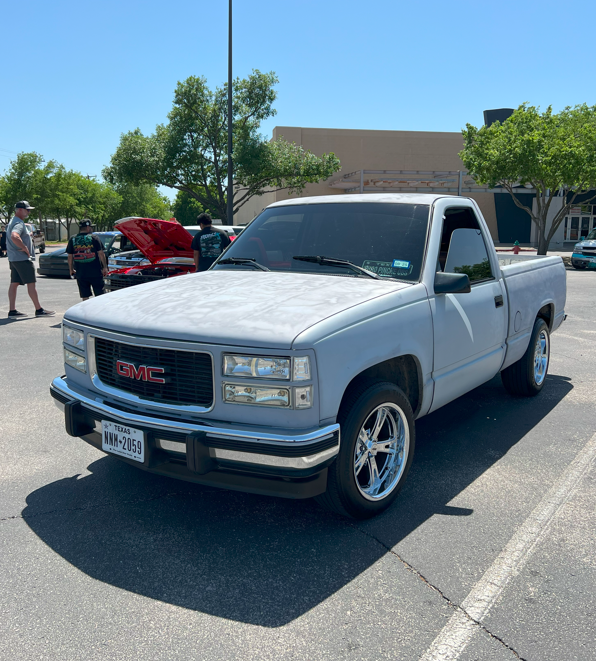
Large wheels have been part of OBS culture for decades, and they aren’t automatically incompatible with daily driving.
The problem comes when appearance becomes the only consideration.
Wheel weight, tire sidewall, overall diameter, offset, brake clearance, suspension clearance, and gearing all matter. Extremely low-profile tires can significantly change ride quality and increase the possibility of wheel damage from potholes.
A daily-driven truck needs a combination that actually works on the roads where it lives.
The largest wheel you can physically fit isn’t necessarily the best wheel.
Theft Is a Real Consideration
As OBS values increase, security deserves more attention.
These trucks were designed long before today’s sophisticated vehicle security systems. A clean Silverado, especially one with expensive wheels, paint, suspension, or engine modifications, can represent a significant investment.
Owners who daily drive valuable examples should consider layered security rather than depending entirely on the factory equipment.
Where you park may become almost as important as how you maintain the truck.
This is one of the strange consequences of the OBS becoming collectible. The same truck that could once be purchased cheaply as basic transportation may now be something an owner actively worries about leaving unattended.
Daily Driving Versus Preserving Value
This is probably the most interesting dilemma facing OBS owners today.
Every mile adds wear.
Rock chips happen. Parking lot dents happen. Interiors fade. Seats wear. Weather attacks paint. Components accumulate mileage.
If you own an exceptionally original, low-mileage survivor, using it for a 60-mile commute every day may not make sense if preservation and future value are your priorities.
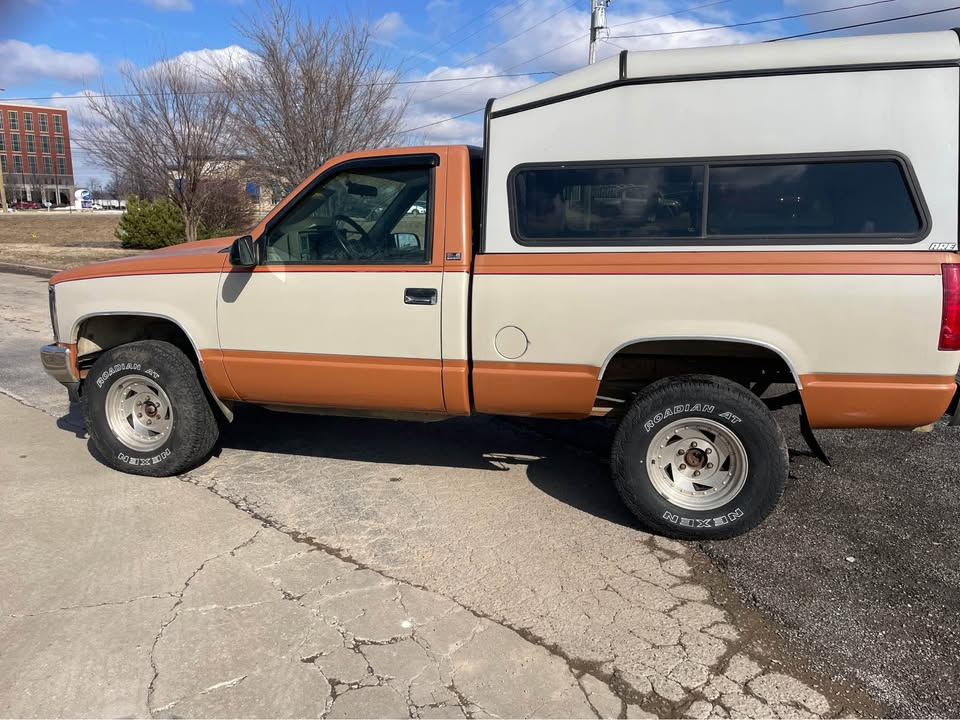
But most OBS trucks aren’t museum pieces.
They were built to be driven.
There is something uniquely satisfying about walking past rows of modern vehicles, getting into a 30-year-old Chevrolet, turning the key, and using it exactly as GM intended.
You don’t have to preserve every OBS underneath a cover.
The Best OBS Daily Driver
The ideal daily isn’t necessarily the most expensive build.
A mostly stock or mildly modified half-ton can be difficult to beat.
Keep the engine dependable. Make sure the transmission is healthy. Refresh the cooling system. Rebuild worn steering and suspension components. Install good brakes and quality tires. Get the air conditioning working correctly. Repair the weatherstripping. Upgrade the stereo if you want modern connectivity.
Then drive it.
Cosmetic modifications can come afterward.
An OBS with average paint and an excellent mechanical foundation is far more useful than a show-quality truck that constantly leaves you stranded.
The Bottom Line
Yes, you can daily drive an OBS Chevy or GMC in 2026.
The platform’s simplicity, parts availability, huge aftermarket, established drivetrain combinations, and straightforward mechanical design continue to make these trucks unusually practical for their age.
But there is an important distinction between daily driving an old truck and daily driving a neglected old truck.
A maintained OBS can be dependable.
A neglected OBS with 30-year-old hoses, worn steering, questionable brakes, deteriorated wiring, old tires, and an unknown maintenance history can become an endless project.
The smartest approach is to restore reliability first and modify second.
OBS trucks have reached the unusual point where they’re simultaneously classics, collectibles, project vehicles, and legitimate transportation. Some deserve to be preserved as original survivors. Others deserve custom paint, big wheels, lowered suspensions, LS swaps, and complete restomods.
And some deserve something much simpler.
They deserve to keep doing what they were built to do.
Start every morning, get on the highway, and go to work.