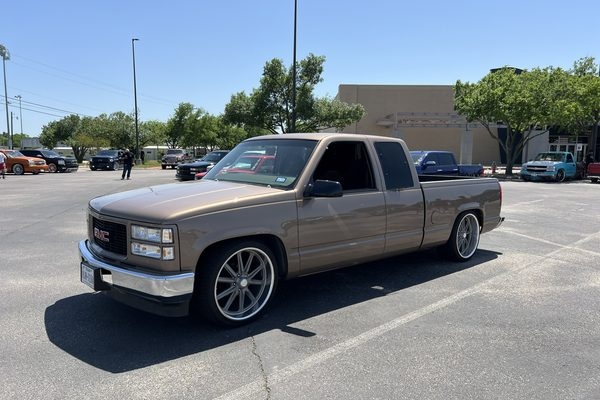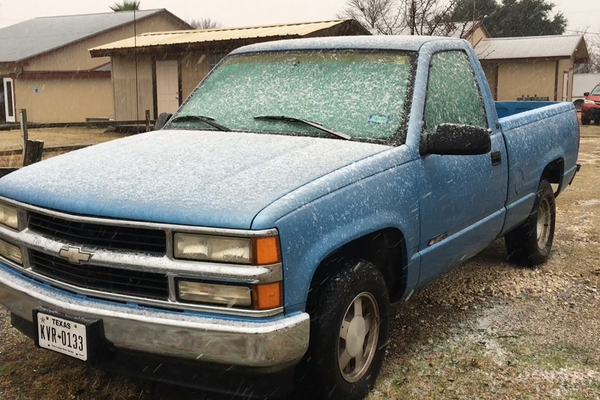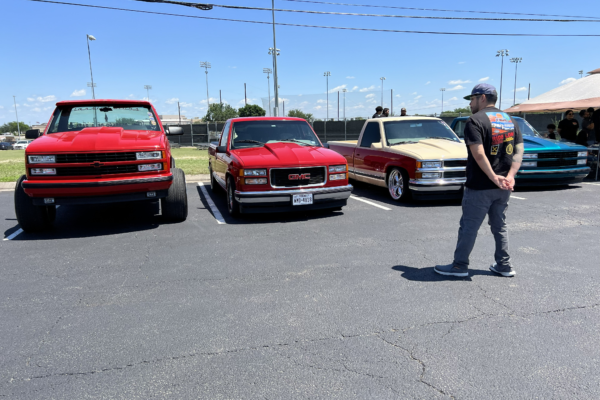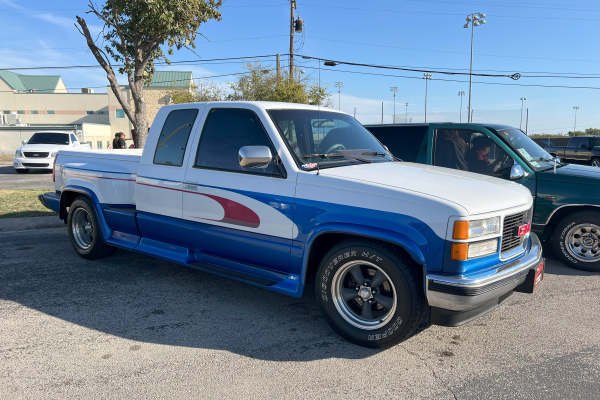
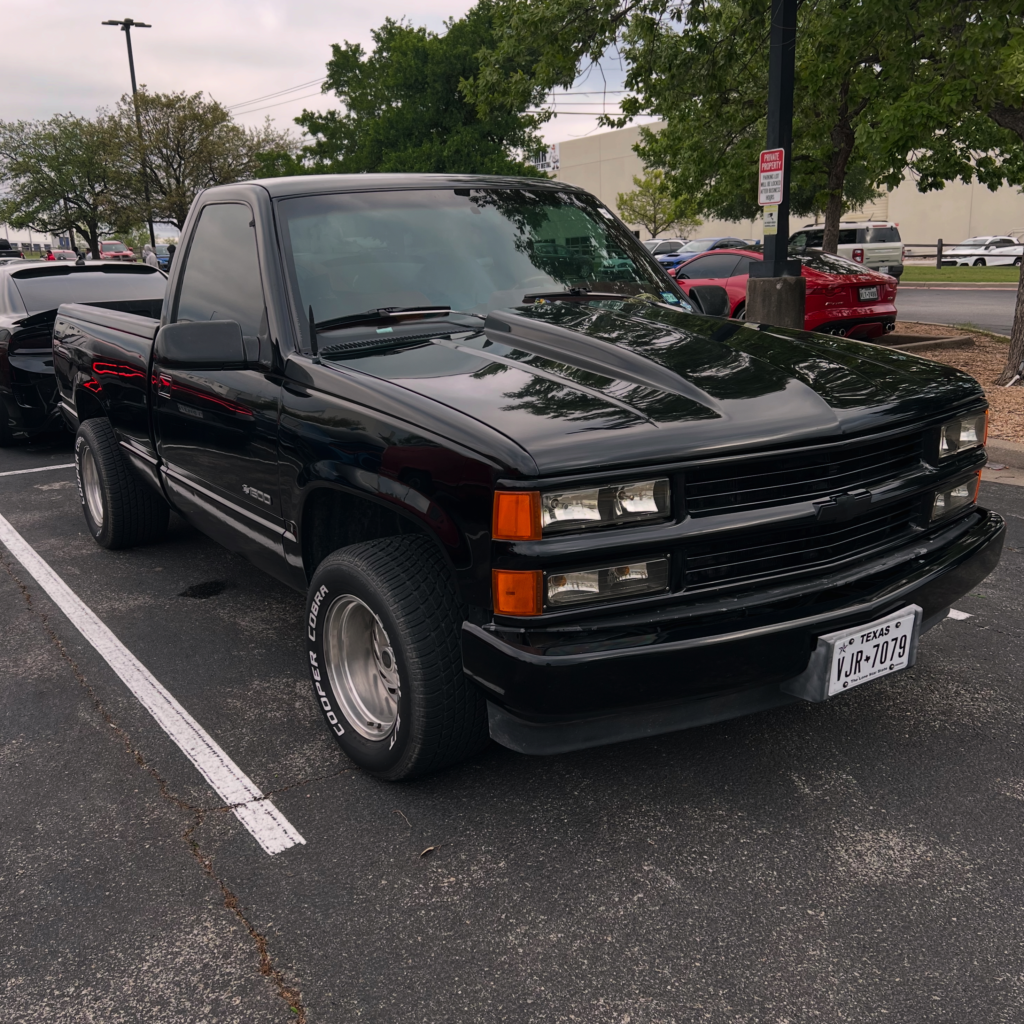
Few trucks have experienced the resurgence in popularity that the 1988 through 1998 Chevrolet and GMC C K series, better known as the OBS truck, has enjoyed over the past decade. Once considered affordable daily drivers, these trucks have become sought after by collectors, enthusiasts, builders, and younger generations discovering them for the first time. Whether it is the clean body lines, simple mechanical design, comfortable interior, or nostalgia of the 1990s, OBS trucks have firmly established themselves as modern classics.
One of the first decisions every owner faces is whether to restore the truck exactly as it left the factory or transform it into a modernized restomod. Neither approach is wrong. Both require planning, investment, and a clear vision. The best choice depends on your goals, budget, and how you intend to enjoy the truck.
Understanding the differences between a factory restoration and a restomod can help you avoid costly mistakes while creating an OBS truck you will appreciate for years to come.
What Is a Factory Restoration?
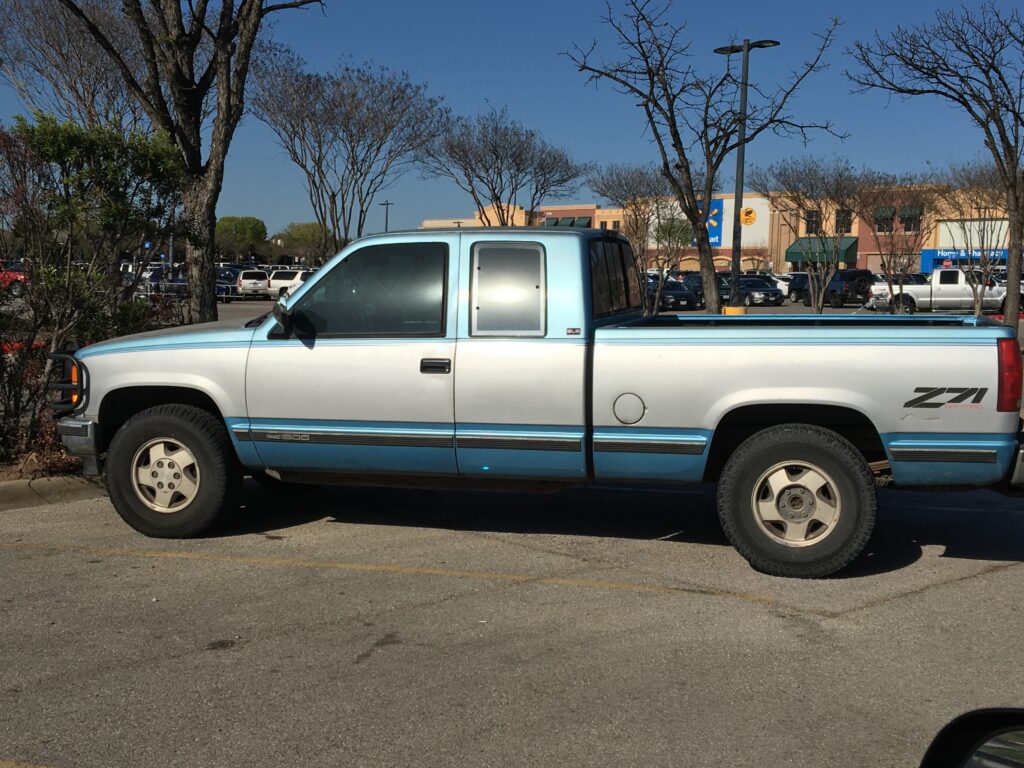
A factory restoration focuses on returning the truck to its original appearance and specifications. The goal is authenticity. Every effort is made to preserve or replace components with factory correct parts that match the original equipment installed by Chevrolet or GMC.
This includes maintaining the original engine, transmission, suspension, interior materials, factory paint colors, trim pieces, wheels, badging, and even the smallest hardware whenever possible. Many restorers search for New Old Stock parts, original dealer accessories, or quality OEM replacements to keep the truck as accurate as possible.
For some owners, the satisfaction comes from seeing the truck exactly as it would have appeared sitting on a dealership lot in the early 1990s.
A factory restoration often requires significant research. RPO codes become extremely important because they identify the truck’s original equipment and options. Correct seat fabrics, stripe packages, wheel designs, radios, and even underhood decals all contribute to an authentic restoration.
What Is a Restomod?
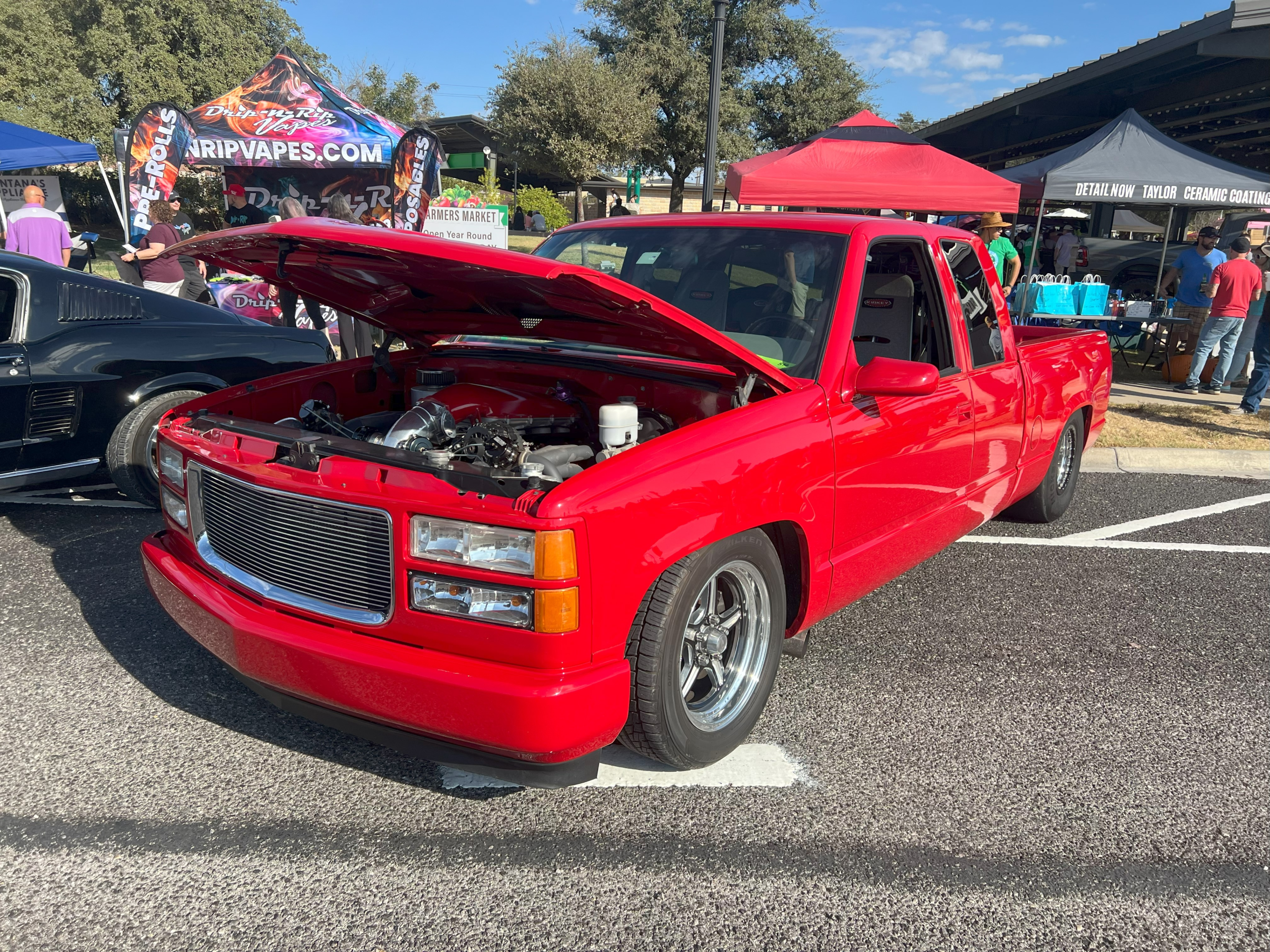
A restomod combines restoration with modern upgrades. The truck retains its classic OBS appearance while incorporating newer technology, improved performance, enhanced reliability, and modern comfort features.
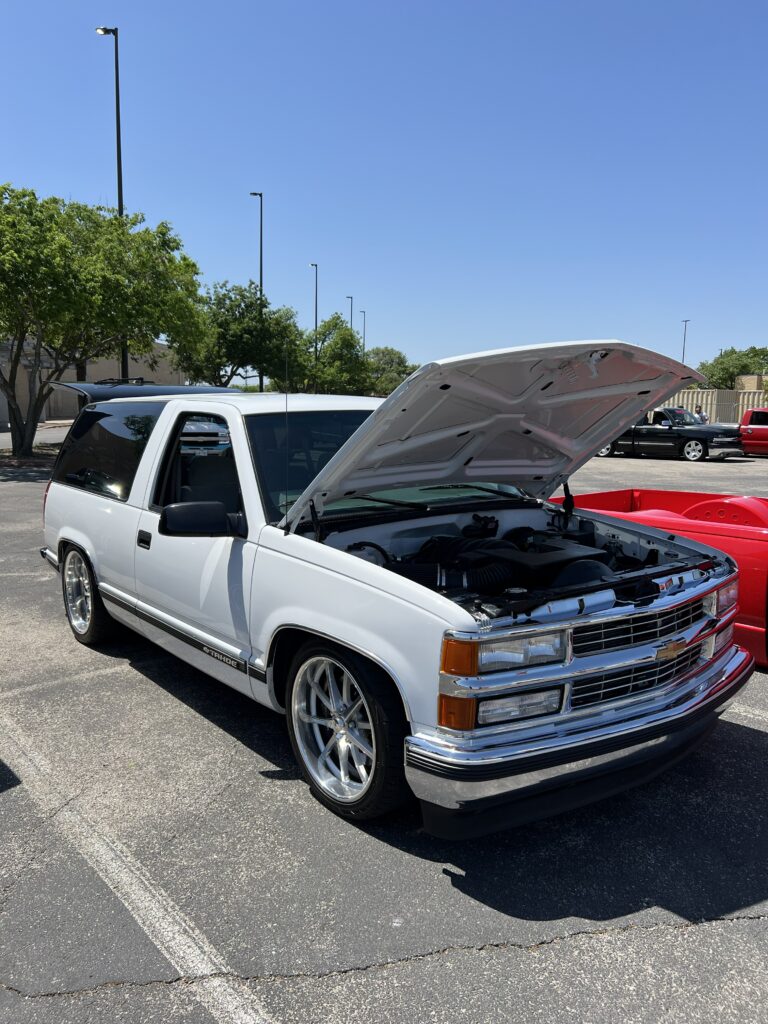
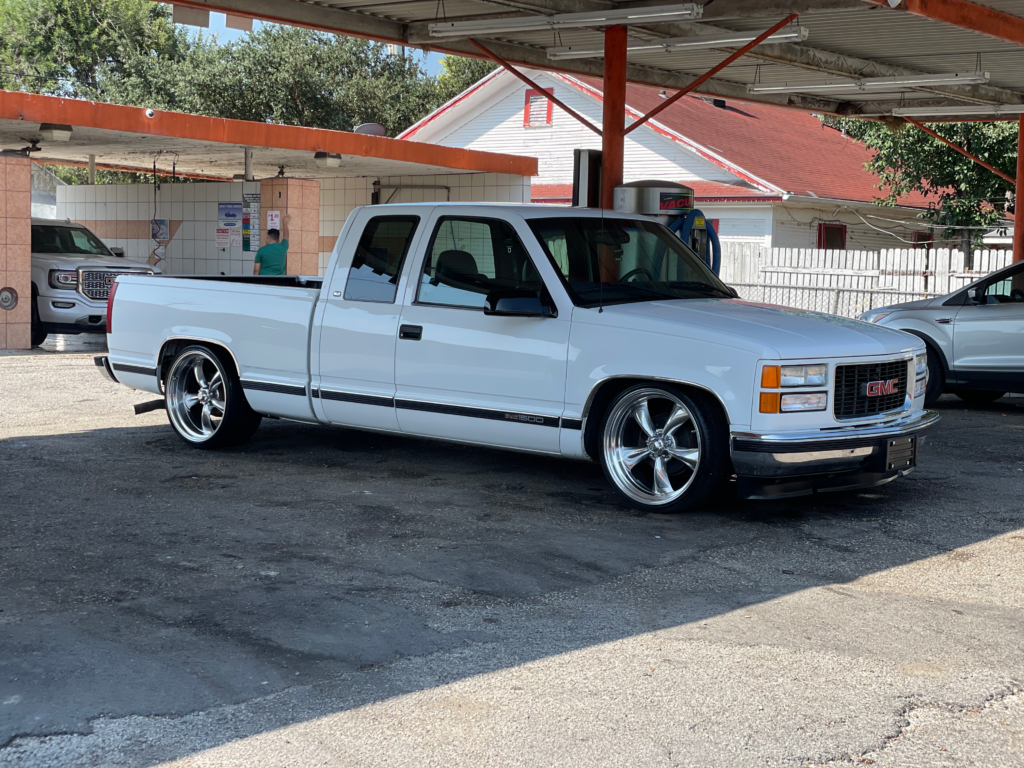
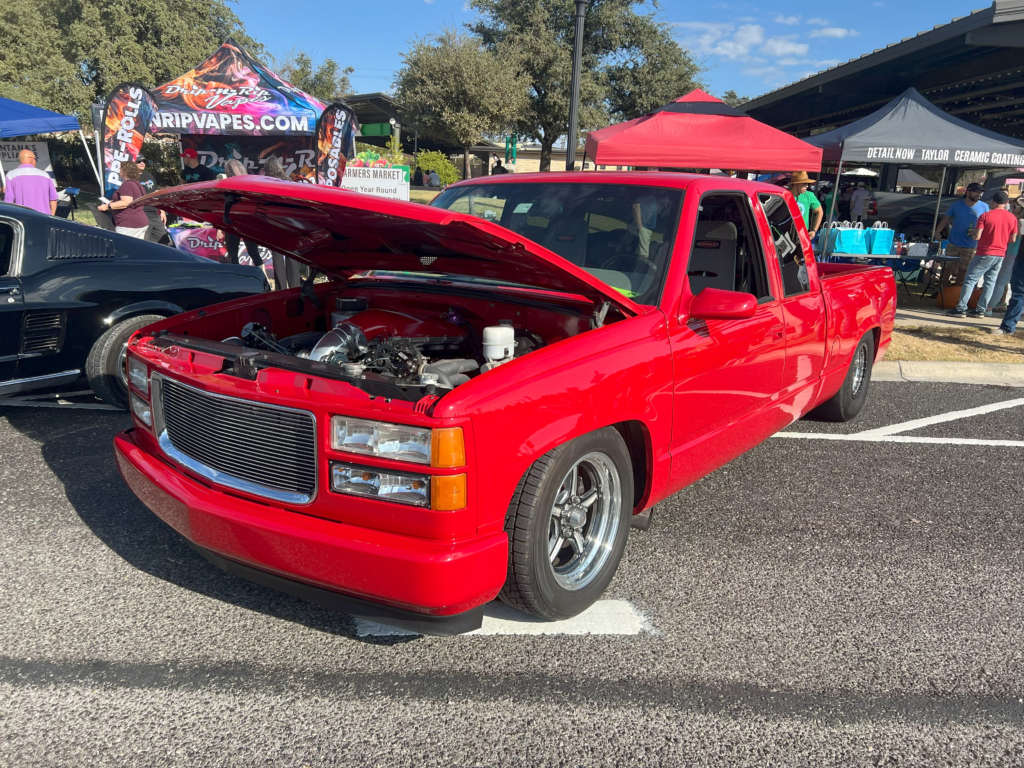
From the outside, some restomods look nearly identical to factory trucks. Others feature lowered suspension, larger wheels, custom paint, shaved trim, and subtle styling changes that update the appearance without losing the unmistakable OBS character.
Underneath, however, the differences can be dramatic.
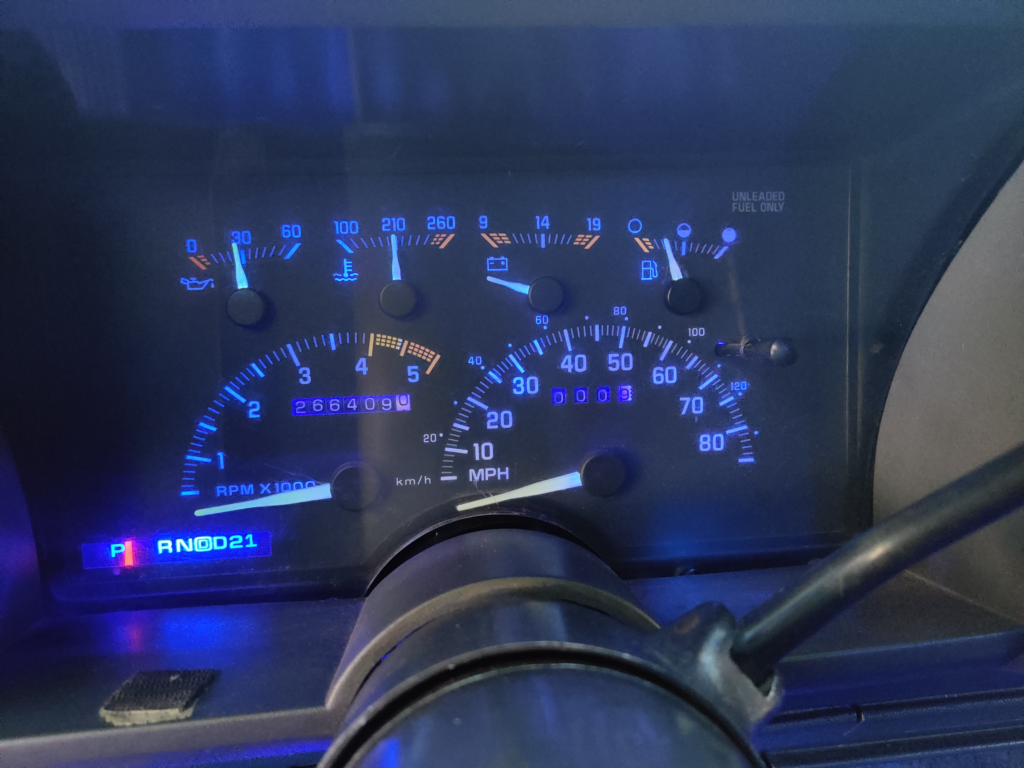
Many restomod owners replace the original TBI engine with an LS based drivetrain, install electronically controlled transmissions, upgrade the suspension, improve braking performance, modernize the electrical system, and add conveniences such as Bluetooth audio, backup cameras, LED lighting, and digital gauges.
The result is often a truck that drives more like a modern pickup while preserving the styling that made OBS trucks famous.
The Appeal of Factory Restoration
There is something special about driving a truck exactly as Chevrolet or GMC intended.
Factory restored OBS trucks preserve automotive history. They represent a specific moment in truck design before touchscreen displays, complex electronics, and driver assistance systems became standard equipment.
For collectors, originality often carries significant value.
Matching numbers drivetrains, original paint colors, factory documentation, and low production option packages frequently attract serious buyers. Limited production models such as the 454 SS, certain GMC performance packages, and dealer conversion trucks can command premium prices when restored correctly.
Factory restorations also tend to age gracefully. Trends in wheels, suspension, and styling change over time, but originality rarely goes out of style.
The Appeal of a Restomod
Many enthusiasts believe the OBS platform provides one of the best foundations for a restomod.
The trucks are relatively lightweight compared to newer pickups, have simple construction, and benefit from an enormous aftermarket industry. Modern components often bolt directly into place or require only minor modifications.
An LS engine swap can dramatically increase horsepower while improving reliability and fuel efficiency. Modern suspension components provide better handling and ride quality. Larger brakes improve stopping distance. Updated air conditioning systems cool more efficiently, and modern sound systems make long drives more enjoyable.
The overall driving experience becomes more refined without sacrificing the truck’s classic appearance.
For owners who plan to drive their truck frequently, these upgrades often make practical sense.
Which Holds More Value?
The answer depends on the specific truck.
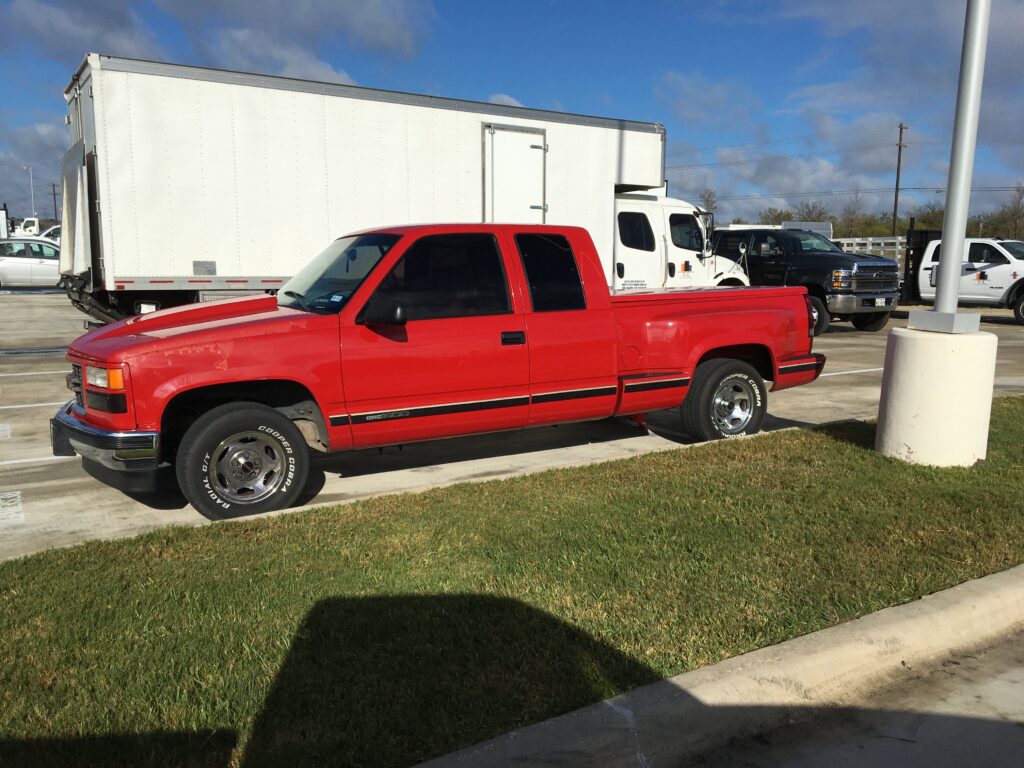
Rare, low mileage, highly original OBS trucks generally reward factory restorations because collectors value authenticity.
Common work trucks, high mileage examples, or trucks missing their original drivetrains often become excellent candidates for tasteful restomods.
A professionally built restomod with quality workmanship can command impressive prices. Buyers appreciate carefully selected upgrades that improve reliability and performance while respecting the original design.
Poorly executed modifications, however, usually reduce value. Cheap suspension kits, poorly installed wiring, mismatched body parts, or low quality paint can make the truck less desirable than an untouched original.
Quality matters far more than simply choosing one direction over the other.
Reliability Considerations
A factory restored OBS truck can be remarkably dependable when maintained properly.
The original TBI engines have earned a reputation for longevity. Parts remain widely available, repairs are generally straightforward, and most mechanical issues can be diagnosed without specialized equipment.
However, modern powertrains often provide advantages in fuel economy, emissions, power output, and long distance reliability.
Electronic fuel injection systems found in newer LS engines typically require less maintenance while delivering significantly improved performance.
Owners who regularly drive hundreds of miles each month often appreciate these improvements.
Cost Comparison
Many enthusiasts assume restoring a truck to factory condition costs less than building a restomod.
That is not always true.
Locating rare factory parts can become expensive. Original trim pieces, interior components, factory wheels, and New Old Stock accessories continue to increase in price as supplies become more limited.
A high quality factory paint restoration also represents a significant investment.
Likewise, restomods can range from relatively affordable suspension upgrades to six figure custom builds featuring complete chassis replacements and professionally engineered drivetrains.
The final cost depends more on the level of quality than on the style of build.
Driving Experience
Driving a factory restored OBS truck is an authentic experience.
The steering, suspension, braking, and drivetrain all reflect engineering from the late 1980s and 1990s. Many owners enjoy that connection to automotive history.
A restomod offers a different experience entirely.
Steering becomes tighter. Braking improves. Acceleration increases dramatically. Ride quality often feels smoother, and highway cruising becomes quieter and more comfortable.
Neither experience is objectively better.
Some enthusiasts love the simplicity and nostalgia of an original truck. Others want the appearance of an OBS with the performance of a modern pickup.
Can You Have Both?
Absolutely.
Many owners choose a middle ground.
Instead of performing a full factory restoration or an extensive restomod, they make subtle upgrades that improve drivability without permanently altering the truck.
Factory style wheels can hide modern brakes. Original interiors can include discreet Bluetooth radios. Suspension improvements can maintain factory ride height while providing better handling.
These reversible upgrades allow owners to enjoy modern reliability while preserving the truck’s original character.
Choosing the Right Path
Before beginning any project, ask yourself several important questions.
Do you want to preserve automotive history?
Will the truck be driven daily or only on weekends?
Is resale value important?
Are you building the truck for yourself or for future collectors?
Do you enjoy originality or personalization?
Your answers will guide every decision that follows.
There is no universally correct choice.
Some of the finest OBS trucks in existence are meticulously restored factory originals. Others are expertly engineered restomods that blend timeless styling with modern engineering.
Both approaches celebrate one of Chevrolet and GMC’s most beloved truck platforms.
Final Thoughts
The growing popularity of OBS trucks means there has never been a better time to restore, preserve, or modernize one of these iconic pickups. Whether your vision includes factory correct decals, original paint codes, and matching numbers components or an LS engine, upgraded suspension, and modern conveniences, the most important factor is building a truck that reflects your goals.
A thoughtful factory restoration honors the history of the GMT400 platform and preserves a snapshot of American truck design. A carefully planned restomod demonstrates how adaptable these trucks remain more than three decades after they first rolled off the assembly line.
Whichever direction you choose, investing in quality workmanship, proper maintenance, and careful planning will ensure your OBS truck continues turning heads for many years to come.