
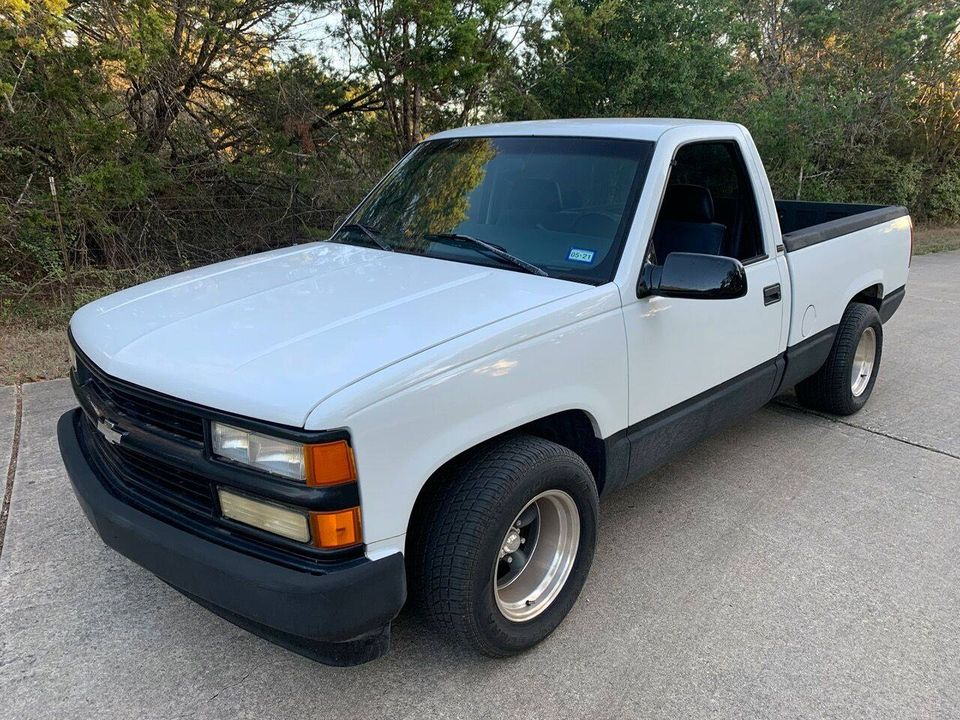
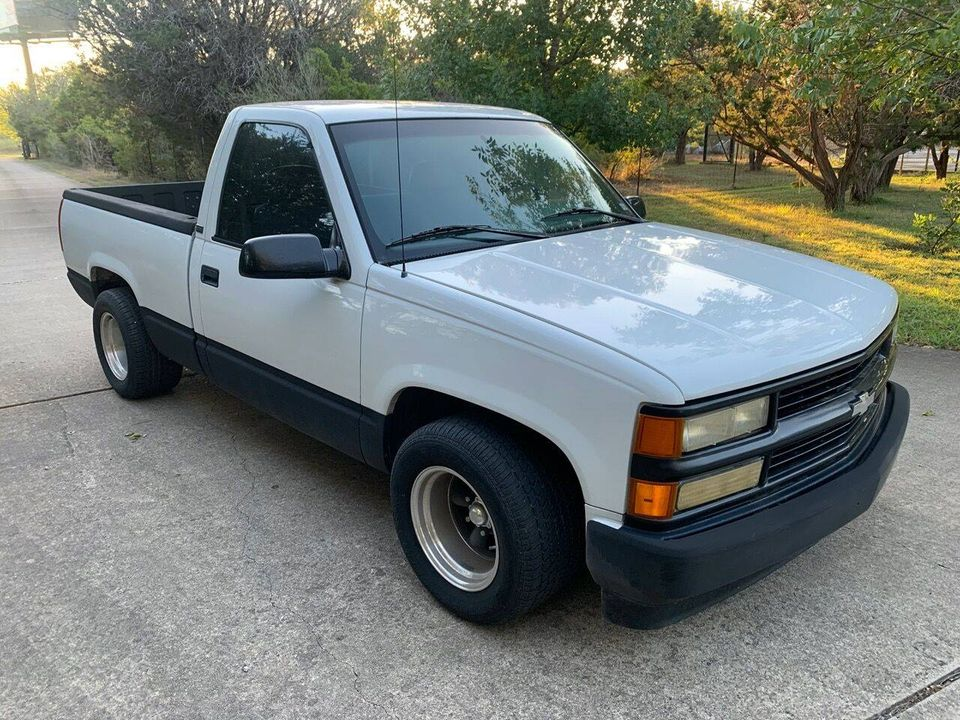
Daily driving an OBS Chevy truck is more than a nostalgic choice—it’s a lifestyle, a statement, and in many ways, a bridge between eras of automotive design that feel worlds apart. In the decades since, these square-shouldered machines have grown from everyday workhorses to cult classics, beloved by purists and customizers alike. But what happens when nostalgia meets reality? What’s it really like to daily drive a truck that’s approaching thirty years old? For many enthusiasts, the answer is that the experience—raw, honest, and mechanical—is exactly what makes it worthwhile.
The first thing you notice when daily driving an OBS Chevy truck is the simplicity. These trucks were designed before the digital revolution took over the automotive world. There are no touchscreens, no endless menus buried in software, no driver-assist warnings flashing every few seconds. Instead, the OBS greets you with analog gauges, simple controls, and a cabin that feels more like a tool than a tech product. That mechanical directness is part of the appeal. When you turn the key, you’re engaging with a machine that was built to last, not just to comply with modern trends. The steering has weight, the throttle feels physical, and every input—from rolling down the window to shifting into drive—feels tactile. It’s a reminder that driving used to be about connection, not convenience.
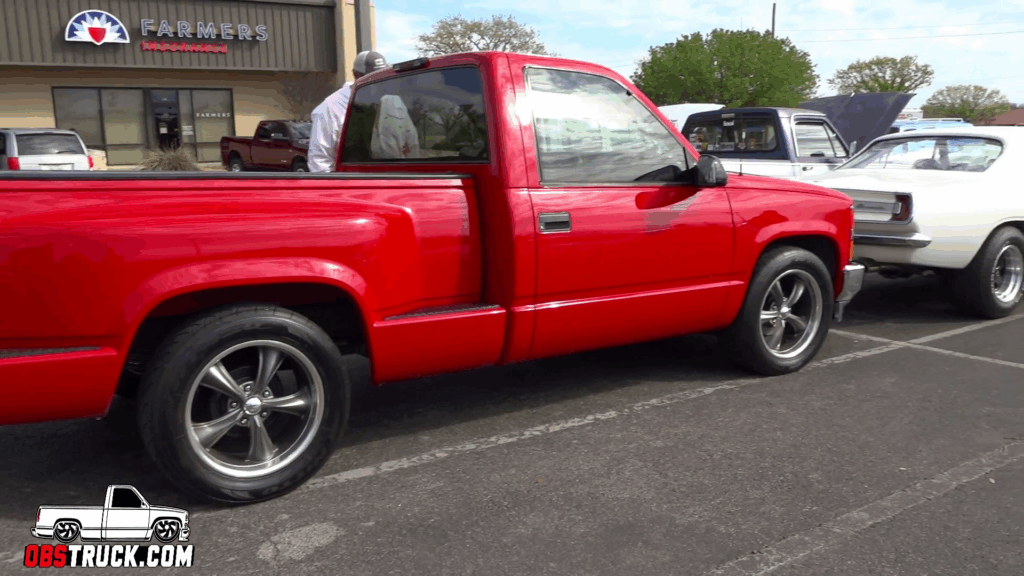
Of course, living with that simplicity day to day has its trade-offs. Compared to a modern Silverado or Sierra, an OBS truck lacks many of the creature comforts drivers take for granted today. You won’t find Apple CarPlay, climate-controlled seats, or adaptive cruise control. The ride, while surprisingly composed for its age, can feel stiff or bouncy depending on suspension condition and load. Wind noise and road vibration are part of the soundtrack, especially on highway runs. But for many owners, that’s part of the charm. An OBS doesn’t isolate you from the experience—it involves you in it. The sounds, smells, and sensations that modern vehicles filter out are exactly what remind you that you’re driving something real.
Reliability is another key factor in the debate over daily driving an OBS. These trucks, especially those equipped with the 5.7L 350 TBI V8, have a well-earned reputation for durability. Routine maintenance—oil changes, tune-ups, fluid checks—is often all that’s needed to keep them running strong well past 200,000 miles. The engines are simple and forgiving, and parts are widely available at nearly any auto parts store. There’s something comforting about knowing that if your truck ever acts up, a quick diagnosis with basic tools and mechanical know-how can get it back on the road. It’s an experience that modern vehicles, burdened by layers of sensors and computer-controlled systems, can’t replicate. For the average DIY enthusiast, the OBS is not only easy to maintain—it’s a joy to work on.
Fuel economy, however, is where the romanticism sometimes meets cold reality. A 350 TBI might average 12–15 miles per gallon in mixed driving, while the larger 454 big-block models often dip into the single digits. For commuters who rack up a lot of miles, that can add up quickly. But for those who drive shorter distances or simply prioritize character over efficiency, the fuel bill is often seen as a fair trade for the experience. Some owners even use mild upgrades like EFI conversions, better flowing exhaust systems, or gear ratio adjustments to squeeze a bit more efficiency out of their setups. And for those who choose to daily drive LS-swapped OBS trucks, modern fuel management can make a noticeable difference, combining the old-school style with contemporary drivability.
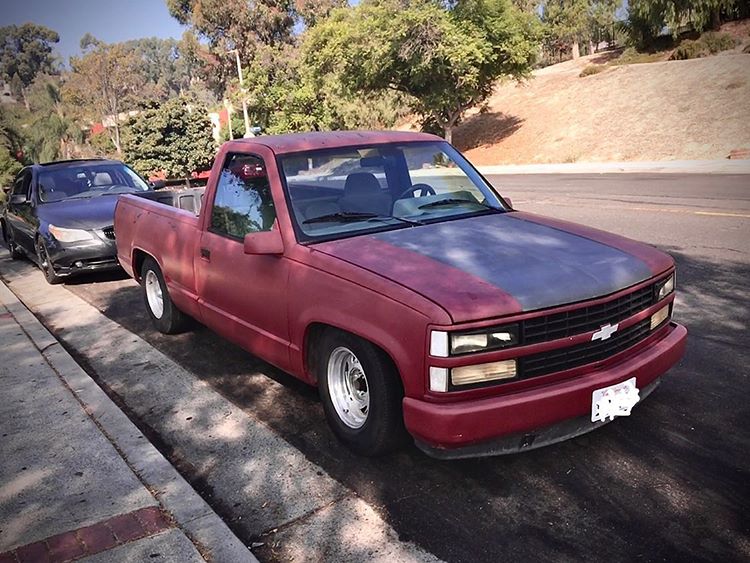
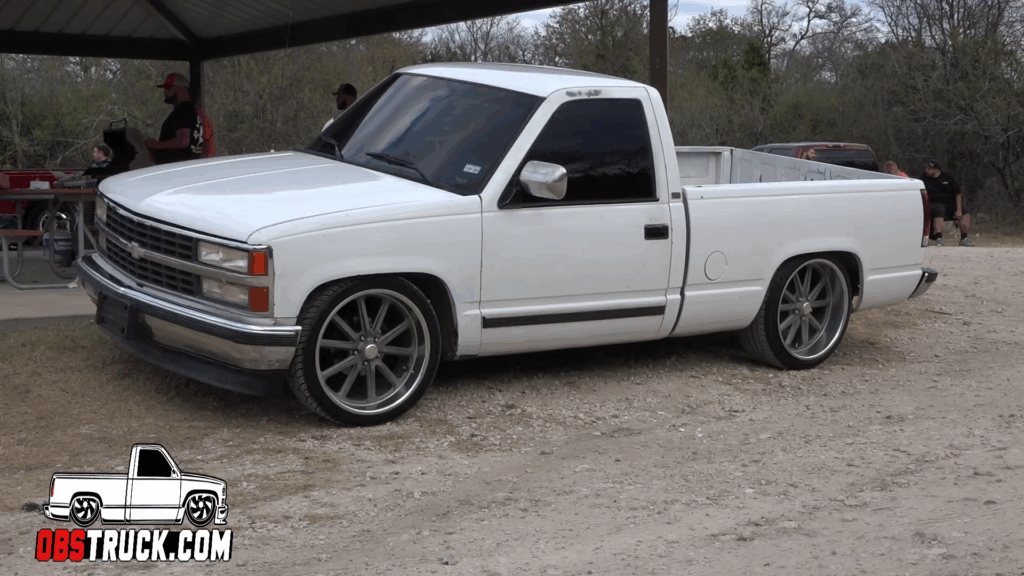
Comfort in the OBS depends heavily on the model and how well it’s been maintained. Extended cabs offer generous space, and the bench seats—though not as plush as newer trucks—have a certain retro charm. Air conditioning systems in these trucks are famously robust, and when properly serviced, they can still blow ice-cold air in the Texas summer or keep you warm on chilly mornings. The simple dash layout means everything is within reach, and the visibility—thanks to large glass areas and minimal blind spots—is excellent. It’s a design that feels more honest and open than modern cockpits wrapped in high beltlines and thick pillars.
Driving dynamics are perhaps where the OBS most clearly shows its age, yet also where it earns its respect. The independent front suspension introduced with this generation gave it better road manners than its square-body predecessor, and while steering feel can be loose compared to modern trucks, it’s stable and predictable. These trucks handle daily commutes, grocery runs, and long highway stretches with surprising grace when properly maintained. There’s also a sense of security in driving something built of solid steel and designed for utility first. Even if the cabin rattles a bit or the ride gets rough over potholes, it feels substantial—like a machine built to endure rather than impress.
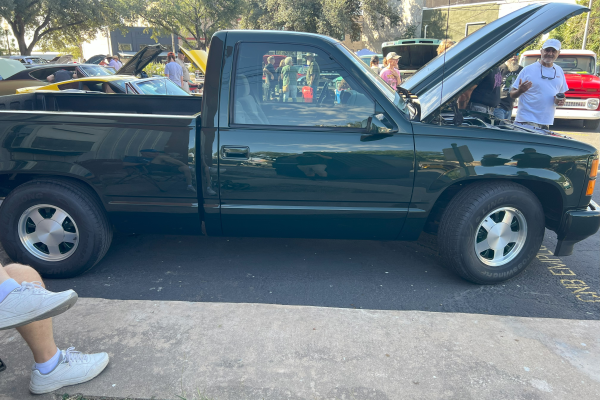
The community aspect of daily driving an OBS truck cannot be overlooked. These trucks are part of a cultural movement that’s only grown stronger with time. Whether you’re pulling into a gas station or a grocery store, chances are someone will stop to comment on your truck, share a story about one they used to have, or ask what year it is. The OBS aesthetic—clean lines, chrome bumpers, two-tone paint, and 90s-era trim—turns heads in a way that modern trucks rarely do. Daily driving one isn’t just about getting from point A to point B; it’s about connecting with a generation of enthusiasts who appreciate craftsmanship, durability, and nostalgia.
Of course, owning and daily driving a truck from the 1990s also means embracing the quirks. Door handles might need adjustment, window motors can get tired, and dash plastics may creak in the heat. But these small imperfections are part of the ownership experience, and for many, fixing them is part of the fun. There’s pride in keeping an old machine on the road and doing it yourself. Unlike newer vehicles that often require specialized tools or dealer-only diagnostics, the OBS rewards self-reliance. Every oil change, tune-up, and small repair deepens the bond between owner and truck.weather forecast before your trip to pack accordingly.
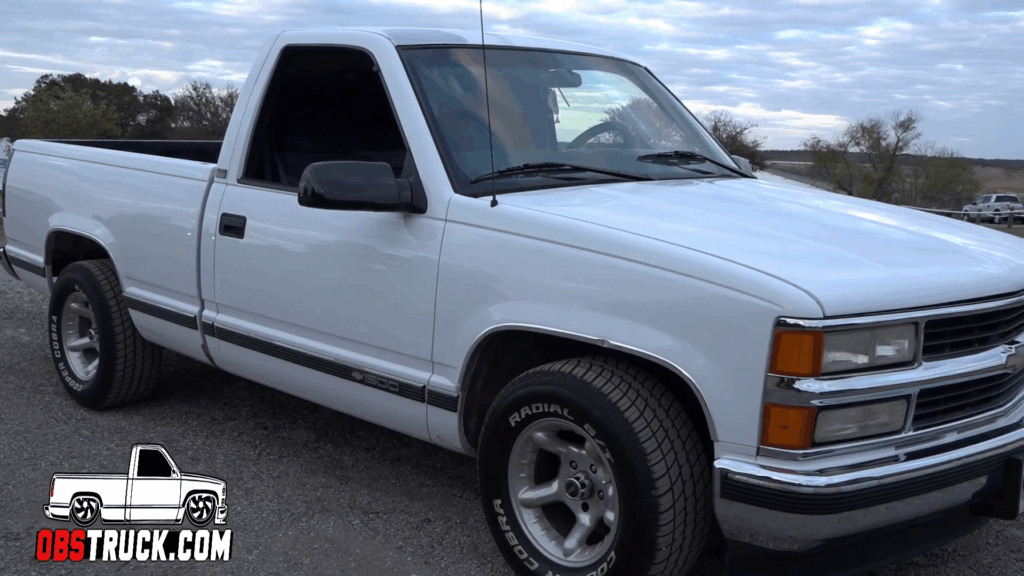
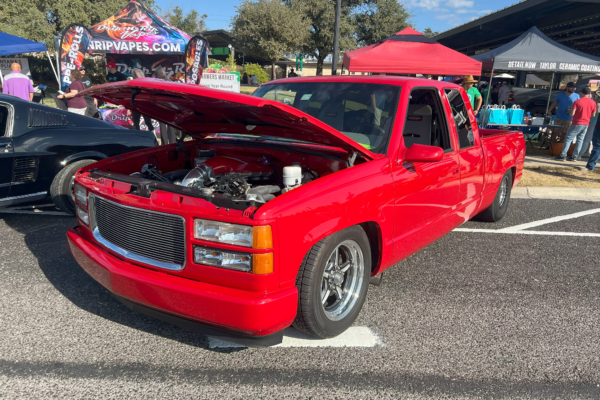
One of the biggest advantages of daily driving an OBS Chevy is how easily it adapts to personal style. Some drivers keep their trucks stock, preserving that unmistakable factory look. Others lower them, add billet wheels, upgrade the sound system, or swap in modern engines for performance. The aftermarket support for OBS trucks is enormous, meaning you can make your daily driver as mild or wild as you like. Whether you’re going for a clean, factory-fresh restoration or a slammed show truck with a modern LS powertrain, the platform is endlessly customizable—and that freedom is part of what keeps it relevant.
In a world increasingly dominated by vehicles that feel more like rolling computers than cars, daily driving an OBS Chevy truck feels like an act of rebellion. It’s a reminder that vehicles once had soul, personality, and purpose. You feel every input, hear every click of the relay, and smell a trace of fuel when you start it on a cold morning. It’s not perfect—and that’s exactly the point. The imperfections are what make it human, what make it relatable. It’s a truck that asks you to participate, to pay attention, to care.
At the end of the day, daily driving an OBS Chevy isn’t just about transportation—it’s about connection. It connects you to a simpler time in automotive history, to a generation of craftsmen and designers who built machines that could work hard and still look timeless. It connects you to other enthusiasts who wave as they pass in their own square-bodied rigs. And it connects you, in a small but meaningful way, to the enduring spirit of the American pickup: dependable, adaptable, and proudly individual. For those who choose to daily drive one, that connection is worth more than any touchscreen, turbo, or luxury feature could ever offer.

This article came at the perfect time for me. Appreciate you sharing these tips.
Comments are closed.