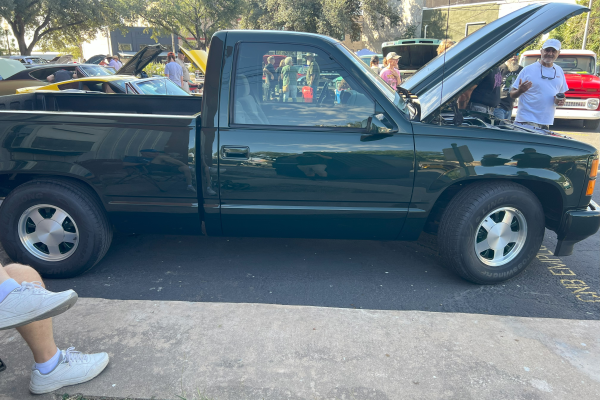
The future of OBS trucks is a fascinating collision of nostalgia, mechanical endurance, and modern innovation, a perfect storm of classic design and contemporary enthusiasm that has turned what was once a common sight on American highways into a full-fledged automotive movement. As the years pass, the 1988–1998 Chevrolet and GMC C/K trucks—collectively known as the “Old Body Style,” or simply OBS—are entering a new era of appreciation. Once considered utilitarian workhorses, these vehicles have evolved into highly collectible icons of late-20th-century American design, representing a bridge between analog craftsmanship and the dawn of digital automotive technology. To understand their future, one must explore the unique blend of factors driving their resurgence, from cultural nostalgia to market demand, technological retrofitting, and the growing digital communities that celebrate them.
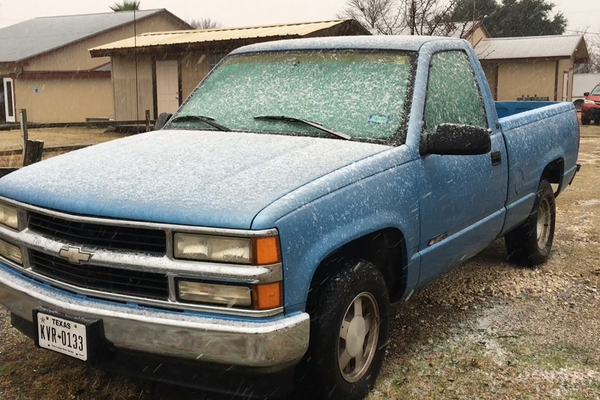
The first and perhaps most defining factor shaping the future of OBS trucks is nostalgia, but it is not a fleeting or sentimental type of nostalgia—it’s one deeply rooted in cultural memory. For many truck enthusiasts who came of age in the 1990s, the square-shouldered stance, smooth body lines, and minimalist interiors of these trucks represent a formative era when design favored both practicality and personality. These were the trucks that filled high school parking lots, that roared through construction sites, that carried families to lakes on summer weekends. As millennials and Gen-Xers enter their peak earning years, they are now investing in the vehicles that shaped their youth. The market reflects this dramatically. Prices for well-maintained Silverado, Sierra, and Tahoe models have surged, with clean examples commanding five-figure sums that would have seemed unthinkable a decade ago. Limited editions like the 454 SS and GMC Sierra GT are already being treated like blue-chip collectibles, while even regular cab short-bed base models are gaining value as project platforms.
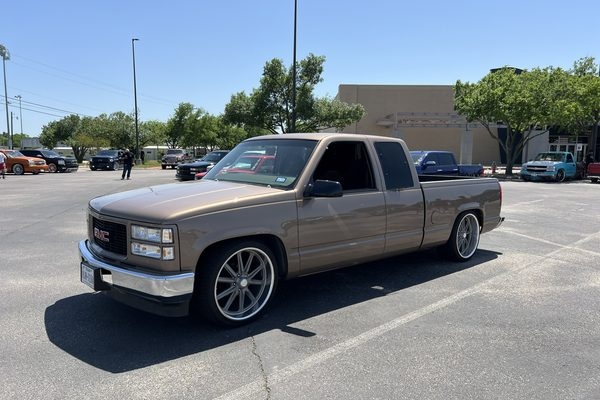
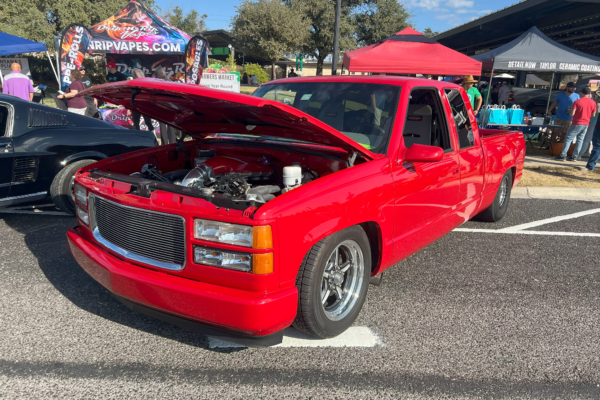
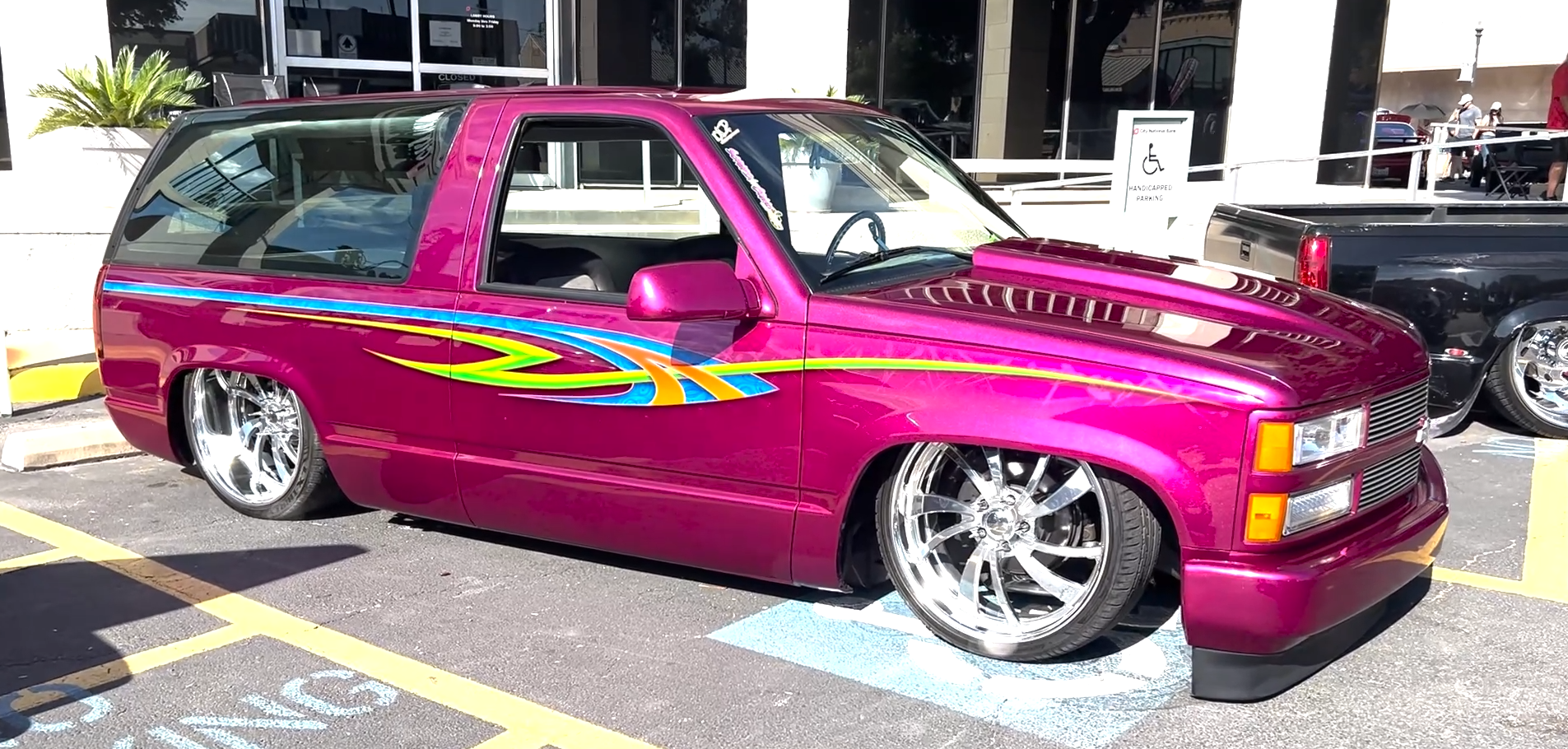
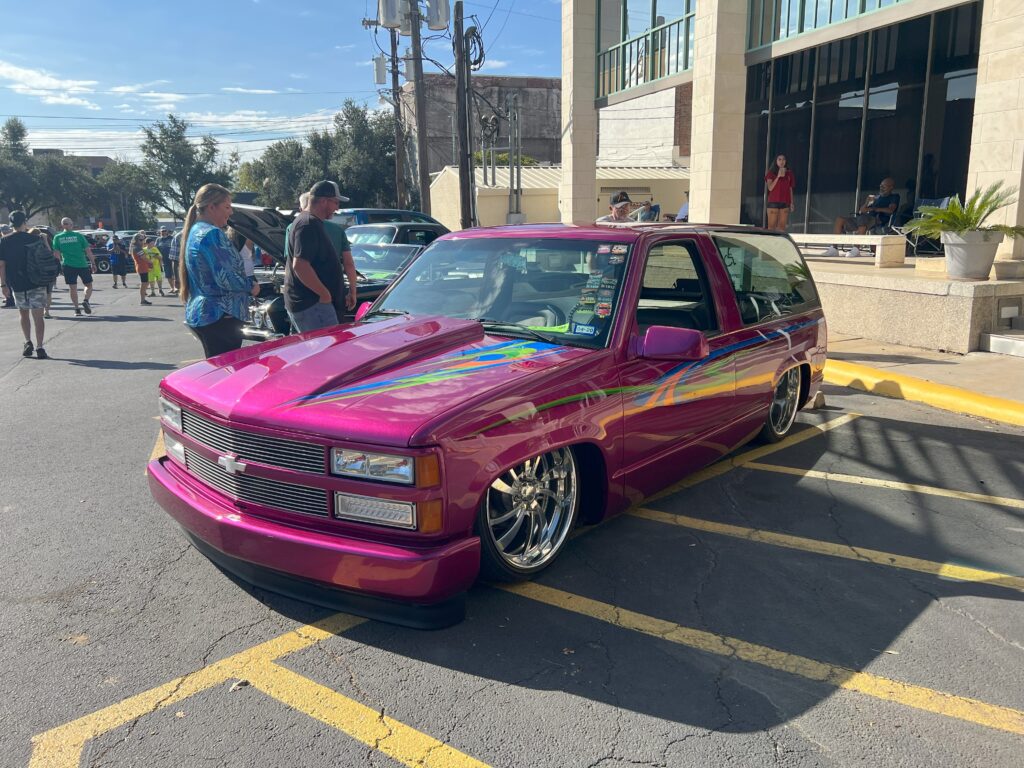
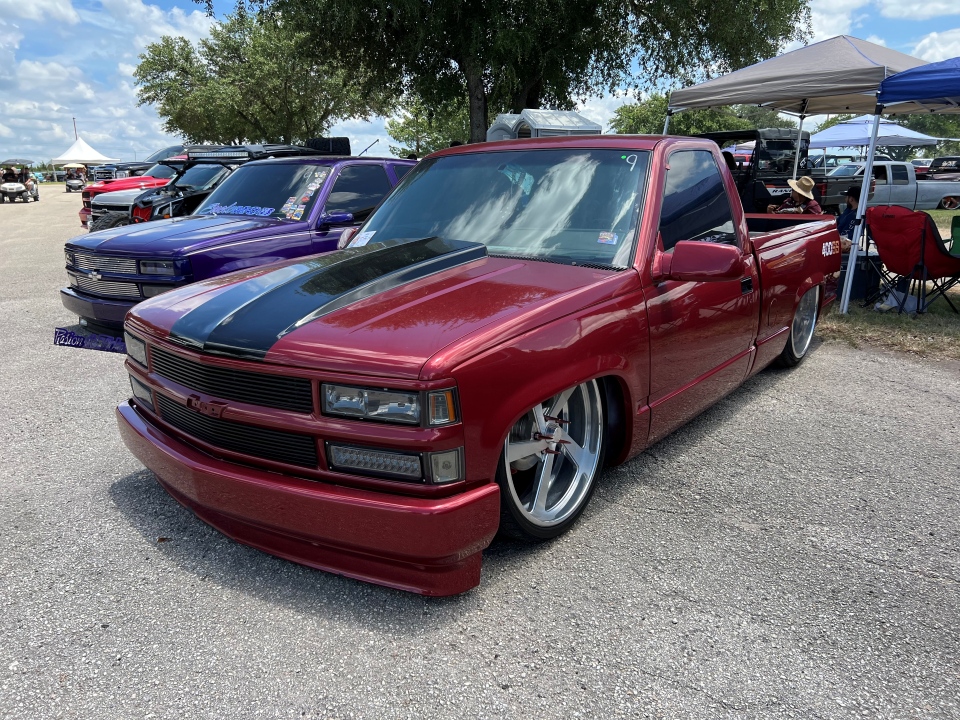
What makes this resurgence unique is that it transcends mere preservation. The new generation of OBS owners is not content to keep their trucks frozen in time; they are transforming them. The restomod movement has taken hold, marrying vintage styling with modern technology. Fuel-injected LS and LT swaps are commonplace, bringing contemporary power and reliability to aging chassis. Suspension upgrades have become works of art, with custom air-ride systems and drop kits delivering aggressive stances without compromising drivability. The aftermarket industry has responded swiftly—companies like Belltech, DJM, and Aldan American have refocused on OBS-specific components, while boutique builders are creating high-end interpretations that rival modern sports trucks in performance and craftsmanship. This blend of restoration and modernization signals a future where the OBS platform remains infinitely adaptable, a blank canvas for builders to balance old-school aesthetics with new-school performance.
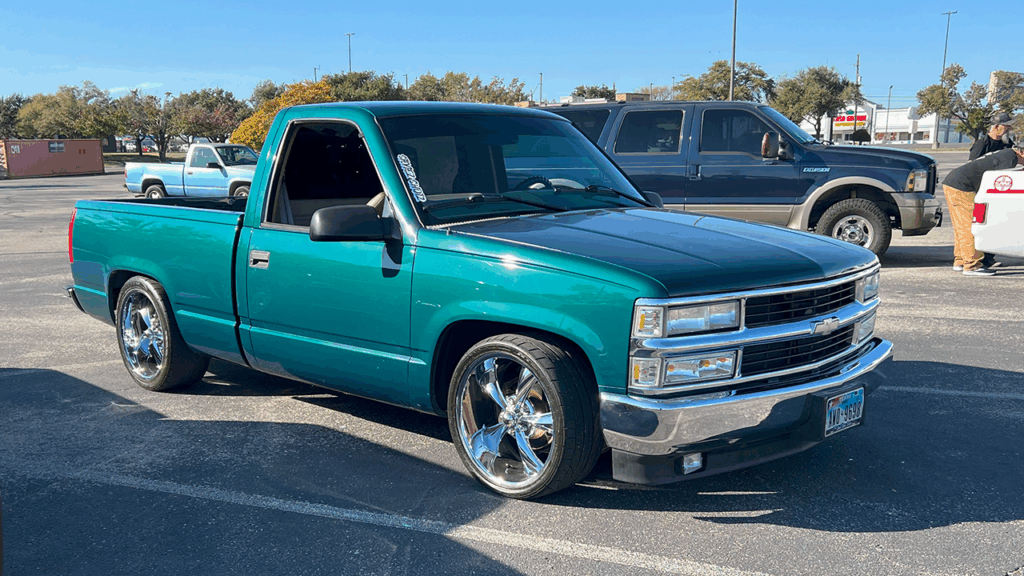
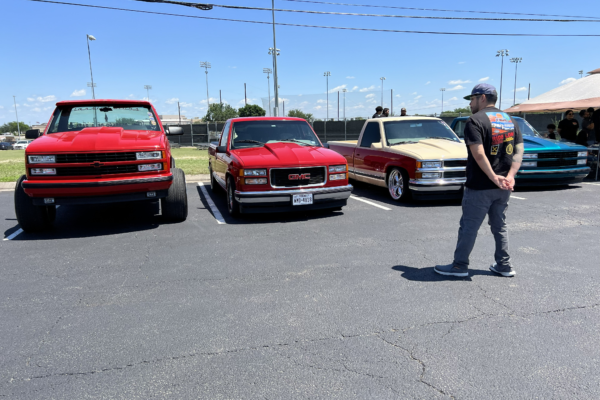
Beyond the mechanical, there is a cultural renaissance unfolding around these trucks. Social media, YouTube, and dedicated online communities have transformed OBS ownership into a lifestyle. Channels and influencers showcase rebuilds, paint transformations, and road trips that celebrate the timeless cool of these machines. Hashtags like #OBStrucks and #GMT400 have become digital meeting grounds where enthusiasts trade knowledge, parts, and inspiration. This connectivity is vital for sustaining the movement. The younger generation—many of whom were not even born when the last GMT400 rolled off the line—are learning the art of hands-on restoration through these online spaces. As a result, OBS trucks are serving as entry points for new enthusiasts into the world of automotive culture, bridging generational gaps and teaching mechanical fundamentals in an age dominated by sealed hoods and proprietary software.
The design itself contributes significantly to the platform’s enduring appeal. The GMT400 architecture was revolutionary for its time, introducing aerodynamic improvements and a more refined driving experience without sacrificing the durability that defined Chevrolet and GMC’s truck lineage. Its proportions—clean, balanced, and timeless—have aged remarkably well. Unlike the bloated and overly styled designs that followed in the early 2000s, the OBS trucks retain a visual honesty that resonates deeply in an era yearning for authenticity. Their simplicity also makes them ideal foundations for customization. Builders can lean retro, embracing factory colors and trim, or go futuristic, incorporating billet grilles, LED lighting, and smooth-shaved body panels that modernize the look without erasing its heritage. As 3D scanning, digital design, and reproduction part manufacturing become more accessible, enthusiasts will soon be able to order bespoke components tailored specifically for their trucks, ensuring that customization remains limitless.
Another driving force in the future of OBS trucks is the collector market’s recognition of their historical significance. The 1990s were a transformative period for the American auto industry. The GMT400 platform marked a pivot from carbureted simplicity to computer-aided efficiency, from purely mechanical reliability to a blend of analog engineering and digital assistance. As such, these trucks are the last generation that can be truly called both classic and modern—a rare intersection where old-school wrenching meets early-era electronic control. Collectors are beginning to understand that owning an OBS truck is not just owning a piece of nostalgia but preserving a snapshot of technological evolution. Auction houses are catching on, with pristine examples appearing more frequently at Mecum and Barrett-Jackson events, often commanding prices rivaling vintage muscle cars. As availability tightens and parts trucks vanish from scrapyards, values will only continue to climb.
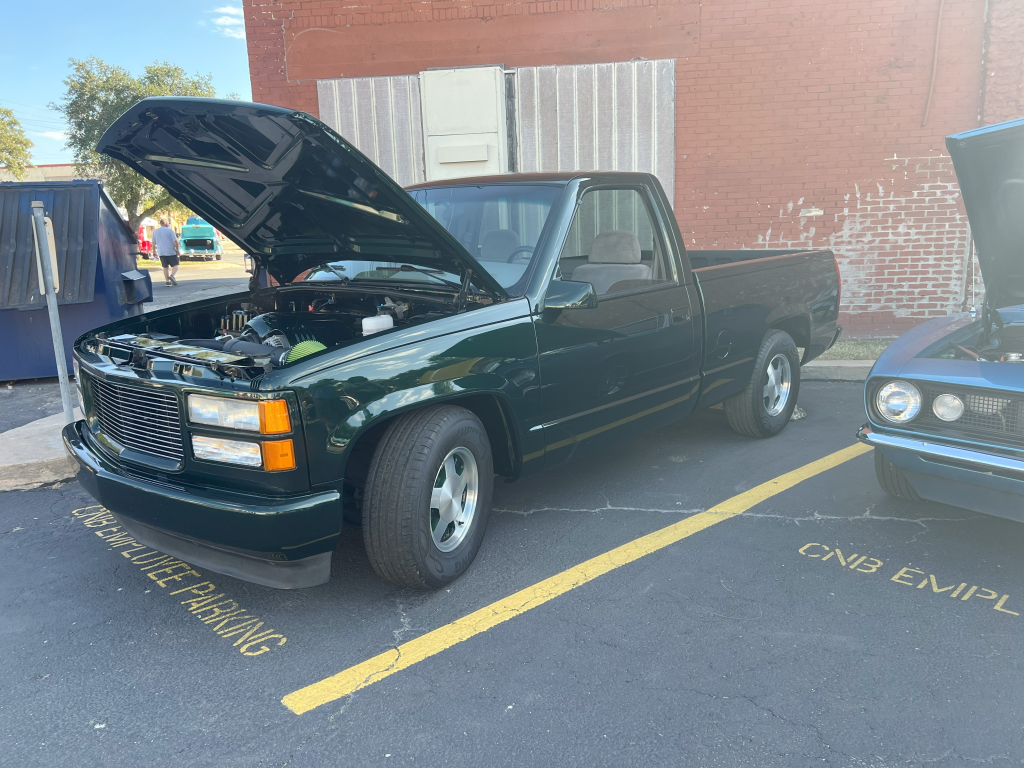
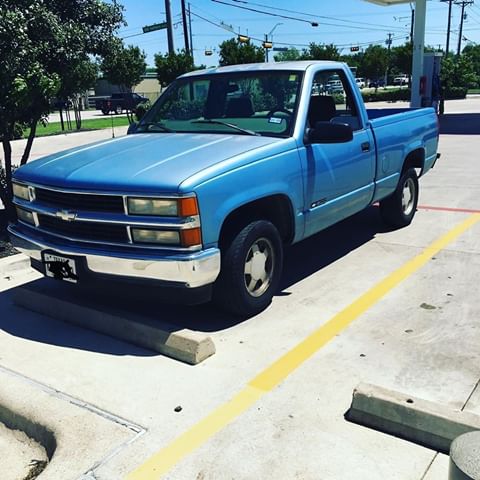
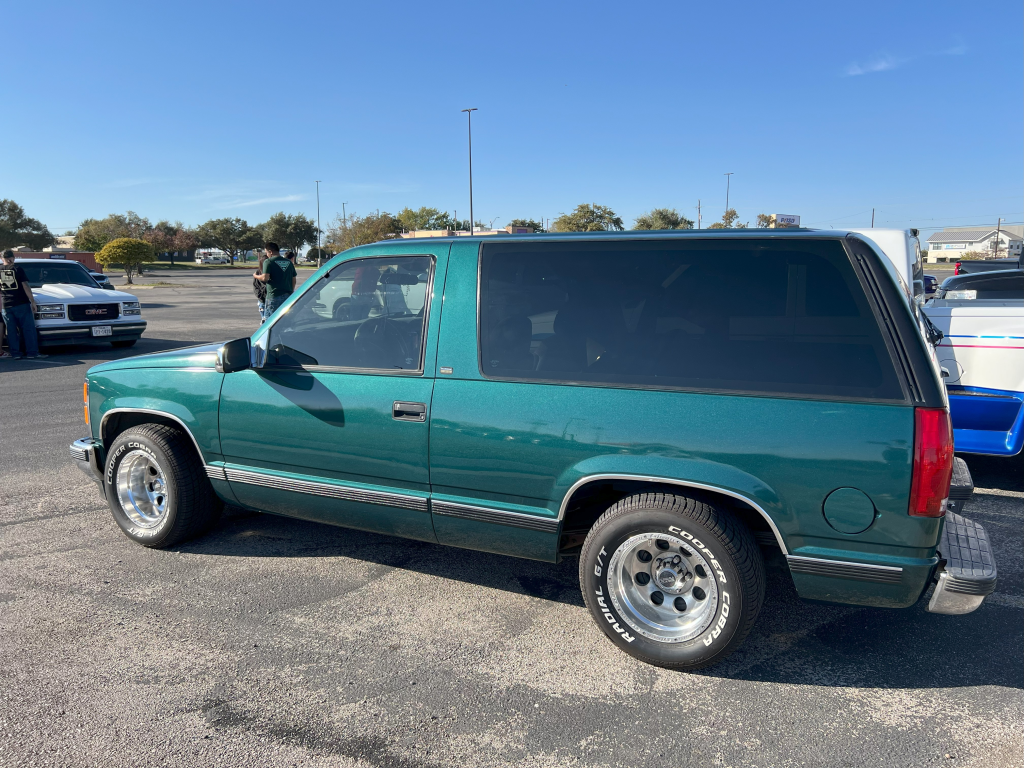
However, the true sustainability of the OBS movement will hinge on innovation. With environmental regulations tightening and the automotive landscape shifting toward electrification, the future of all internal combustion vehicles faces uncertainty. Yet even here, the OBS community has proven adaptive. Electric conversion kits are beginning to appear, allowing builders to retain their beloved truck’s iconic looks while embracing a zero-emission future. Imagine an electric 1995 Silverado with a Tesla-derived powertrain, silent but potent, capable of outpacing modern pickups while maintaining its classic lines. As EV technology becomes more modular and accessible, conversions like this will likely define the next phase of OBS evolution. Far from being rendered obsolete, these trucks may find a second life as restomodded electric classics, combining nostalgia with sustainability in a way few other vehicles can.
Aesthetically, the appeal of these trucks will continue to grow as design trends cycle. The current wave of automotive styling has returned to clean lines and bold forms—precisely the qualities that define the OBS silhouette. Modern designers at GM and elsewhere often cite the GMT400 as an influence on contemporary truck styling, an acknowledgment of its enduring visual logic. In the aftermarket scene, this appreciation manifests through vibrant paintwork reminiscent of 1990s trends—two-tone schemes, retro graphics, and billet wheels are making a triumphant return. The “baby billet” movement, for example, celebrates this nostalgia with updated wheel designs that honor classic patterns while fitting modern tire profiles. The fusion of retro aesthetic with present-day craftsmanship ensures that OBS trucks remain both historically grounded and visually relevant.
Perhaps the most powerful sign of the OBS platform’s future health is the community’s self-sufficiency. Parts reproduction businesses are springing up to fill the gaps left by discontinued OEM supply chains. 3D printing has empowered enthusiasts to fabricate small interior components, emblems, and trim pieces that were once impossible to source. Custom upholstery shops are blending old materials with new technology, creating interiors that look factory-fresh yet feel luxurious. Even digital tools are shaping the restoration experience—virtual modeling and augmented reality apps now allow owners to visualize modifications before a single wrench is turned. This fusion of technology and craftsmanship positions the OBS world not as a nostalgic holdover but as a forward-thinking subculture that thrives on reinvention.
Ultimately, the future of OBS trucks will be defined by passion. Unlike mass-produced modern vehicles, these trucks inspire a personal connection that transcends simple utility. They invite owners to participate, to build, to restore, and to customize in ways that modern vehicles discourage. In a world increasingly dominated by disposable design and automation, the OBS embodies permanence and individuality. Its boxy lines and roaring V8s tell a story of a time when vehicles were built to last, not leased to be replaced. Every restored Silverado or Sierra represents a defiance of obsolescence—a declaration that mechanical beauty, simplicity, and soul still matter.
As time marches forward, the OBS will continue to evolve, not as a relic but as a living symbol of automotive independence. Whether it’s through the rumble of a freshly rebuilt small-block or the quiet hum of an electric conversion, these trucks will remain on the road, adapted but unbroken. The growing collector market, the flourishing customization scene, and the digital communities ensuring their legacy all point to the same conclusion: the future of OBS trucks is not behind us—it is just beginning.