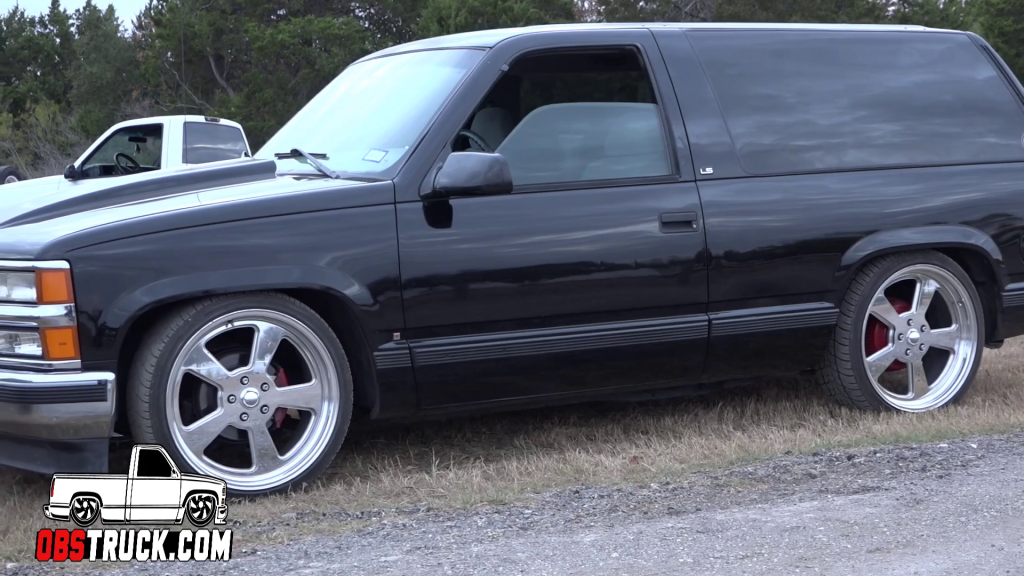
There’s a reason everyone’s jaw hits the pavement when they check current prices for a clean two-door OBS Chevy Tahoe or GMC Yukon. The market has gone wild for these trucks, and honestly, it shouldn’t surprise anyone who knows what they represent. They’re rare. They’re iconic. And they hit the nostalgia button harder than a Saturday morning filled with 90s cartoons and chrome wheels. People aren’t just paying for a vehicle—they’re paying for a feeling that modern SUVs can’t replicate if they tried.
Let’s start with scarcity. Chevrolet and GMC didn’t make nearly as many two-doors as their four-door successors. By the mid-90s, family buyers shifted toward practicality, and the two-door full-size SUV—which had dominated the 70s and 80s—was fading out. These trucks were produced in relatively small numbers, and when you combine low production with decades of hard use, off-roading abuse, and rust taking casualties, very few clean examples survived. Limited supply meets exploding demand. Economics 101.
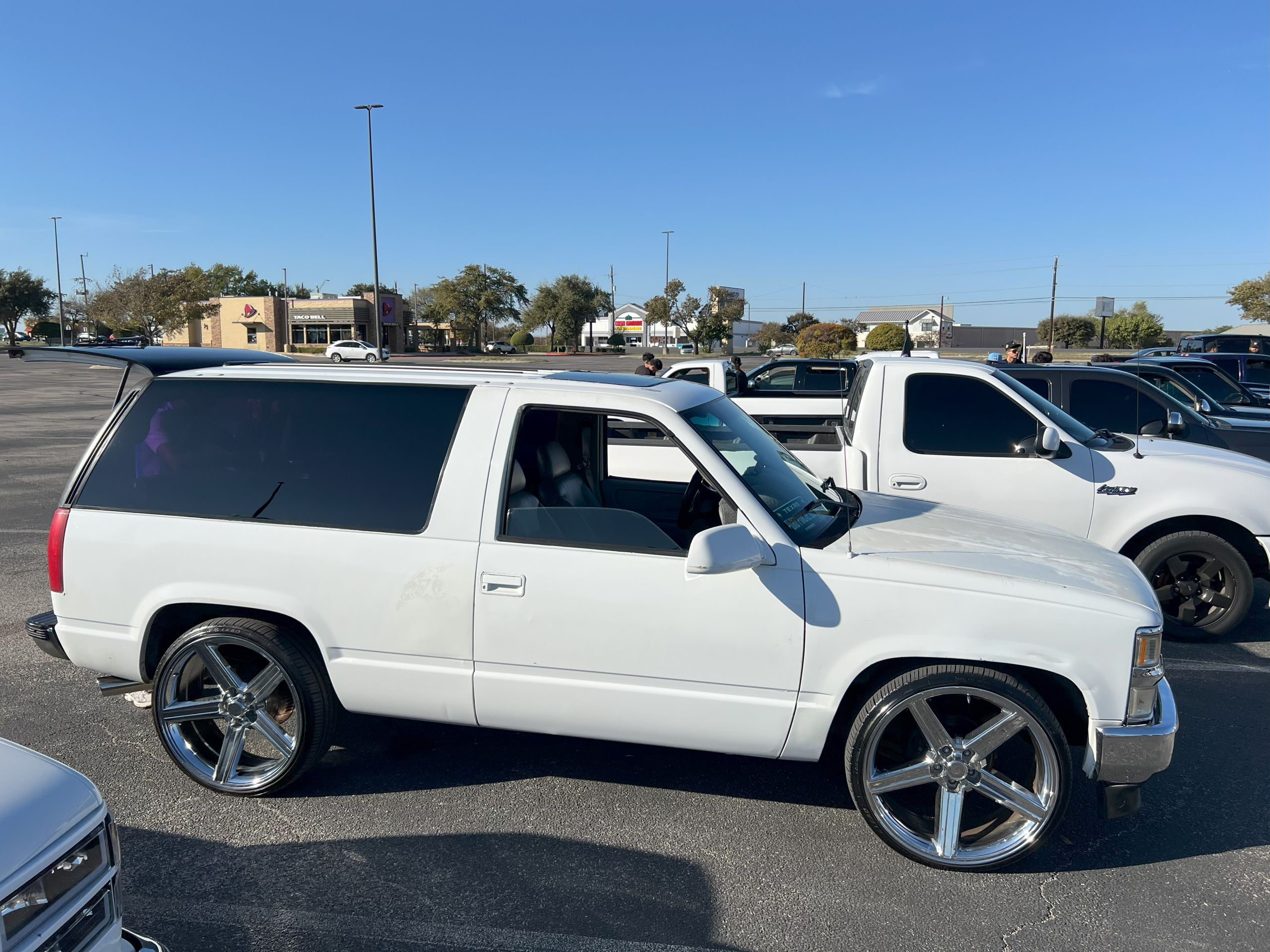
Then comes the style factor. A two-door Tahoe or Yukon looks tough in a way a four-door never will. The shorter wheelbase, the big slab sides, the dramatic glass-to-body proportions—these trucks are basically street-legal bulldogs. They look ready to climb a mountain or cruise a boulevard with equal confidence. No B-pillar interrupting the side profile, no soccer-parent energy. Just attitude. The design has aged ridiculously well, and it doesn’t matter if you’re into lifted off-road builds or pavement-hugging street trucks—a two-door OBS instantly steals the scene.

And while we’re talking about looks, let’s acknowledge the massive customizing potential. Put a four-door on billets and drop it? Cool. Do the same to a two-door? Showstopper. Add a lift kit, 35s, and a grille guard? Suddenly you’re starring in your own 90s action movie. These trucks transform into whatever you want them to be with a level of visual drama their four-door siblings can only dream of. The aftermarket community knows it, the influencers know it, and the auction houses know it. That’s why every time one pops up clean—stock or modified—bidding gets brutal.
But here’s the real engine behind the price surge: nostalgia. These SUVs were the heroes of the streets in the 90s. Rappers drove them. Sport stars drove them. The cool teenager’s older brother drove one with subs that shook the entire neighborhood. They appeared in movies, music videos, and every mall parking lot where someone tried to impress their crush. Millennials who once idolized them from the back of a minivan are now adults with money—and they want what they couldn’t have back then.
Meanwhile, modern SUVs have lost the plot. They’re luxury appliances now—smooth, quiet, and completely lacking personality. Everything is rounder, safer, softer. A two-door Tahoe or Yukon stands in loud rebellion against that whole trend. It says trucks don’t need to pretend to be limousines. They can be bold and boxy and built like a steel-framed handshake. It’s the last of its kind in every sense, the final era before SUVs became corporate comfort pods.
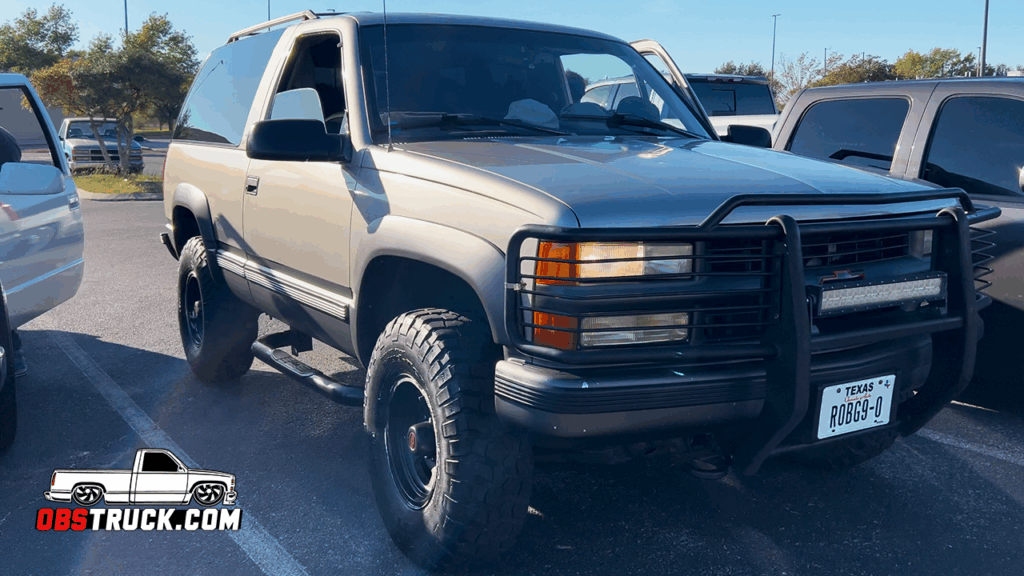
Let’s also not forget drivetrains. Most came with a 5.7L V8—the legendary 350—with simple fuel injection and parts that can be found at any neighborhood parts store. These rigs are easy to maintain, easy to upgrade, and built to run forever. When people buy a classic, they want something they can actually drive, not a fragile garage ornament. The two-door Tahoe and Yukon deliver that combination of reliability and ruggedness better than almost anything from that period.
Combine rarity, cultural relevance, customization potential, and durability, and what do you get? A future collectible that’s already skyrocketing. The window of affordability has already closed. Enthusiasts who hesitated are now kicking themselves while sellers are grinning like they just sold shares of early-stage tech startups. And here’s the kicker: prices are still climbing. The demand is getting stronger, not fading.
So why are two-door OBS Tahoes and Yukons so expensive? Because they deserve to be. They’re the last great expression of full-size SUV swagger. They’re rolling reminders of when trucks were bold, unapologetic, and built for the cool factor as much as function. They were icons then, and they’re even bigger icons now.
If you already own one, congratulations—you’re sitting on gold. If you’re still hunting for one, buckle up and open your wallet. The two-door era isn’t coming back. And everyone who knows what these rigs mean is racing to claim a piece of history before the prices get completely out of control.